15 Amazing Benefits of Baobab Powder You'll Love
What is Baobab Powder?
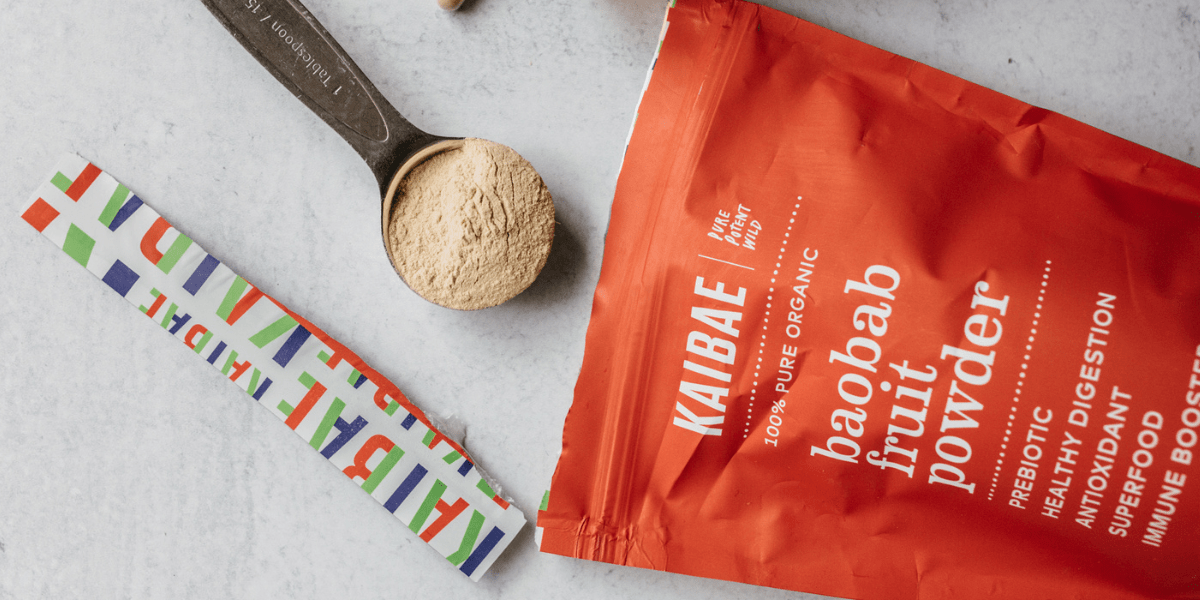
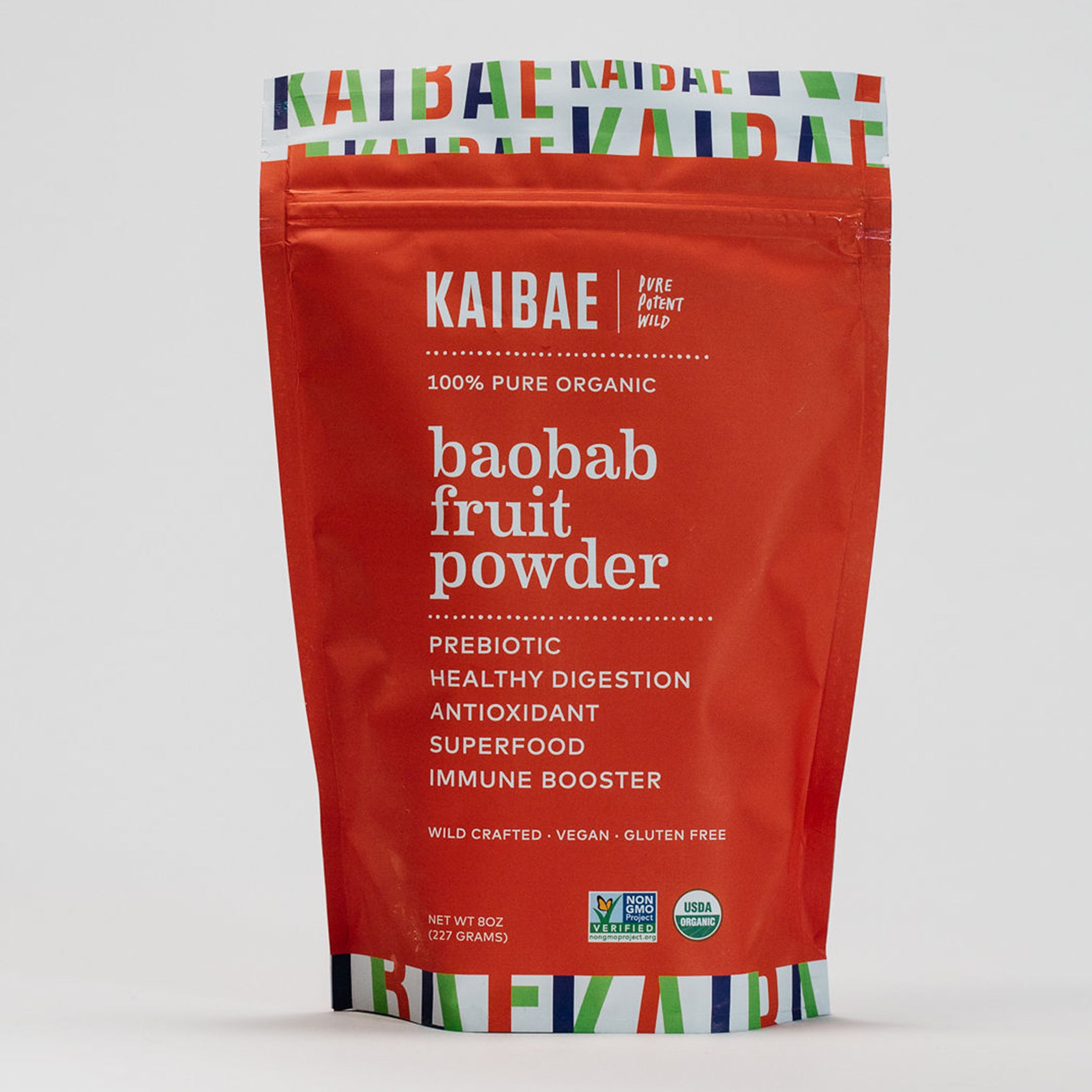
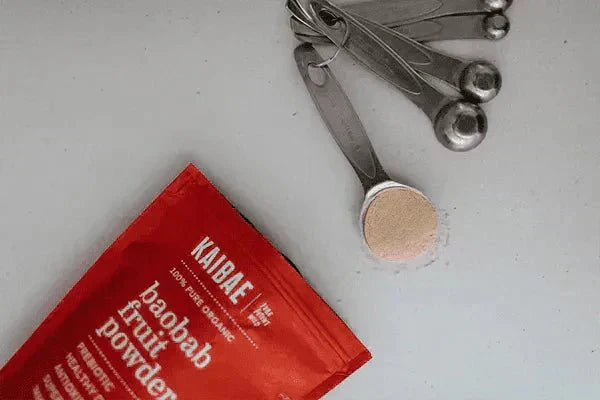
Baobab powder is a nutrient-dense whole-food supplement made from the dried fruit of Adansonia digitata — a wild tree native to sub-Saharan Africa — and is exceptionally rich in prebiotic fiber, vitamin C, calcium, potassium, magnesium, and polyphenols.
In the African Savanna, this tree has survived for over 3,000 years. It stores water through droughts, feeds communities through famines, and has been called "the African Tree of Life" for as long as anyone can remember. Some grow 100 feet tall and 36 feet wide, their trunks swelling with stored water and concentrated nutrients built up over centuries.
That nutritional density is what makes baobab fruit powder so remarkable. The fruit pods are harvested wild, drying naturally by the African sun, while still on the tree and require almost no processing— making it one of the least refined superfoods available. The result is a mildly sweet, slightly tangy powder that African communities have stirred into drinks, porridges, and soups for generations.
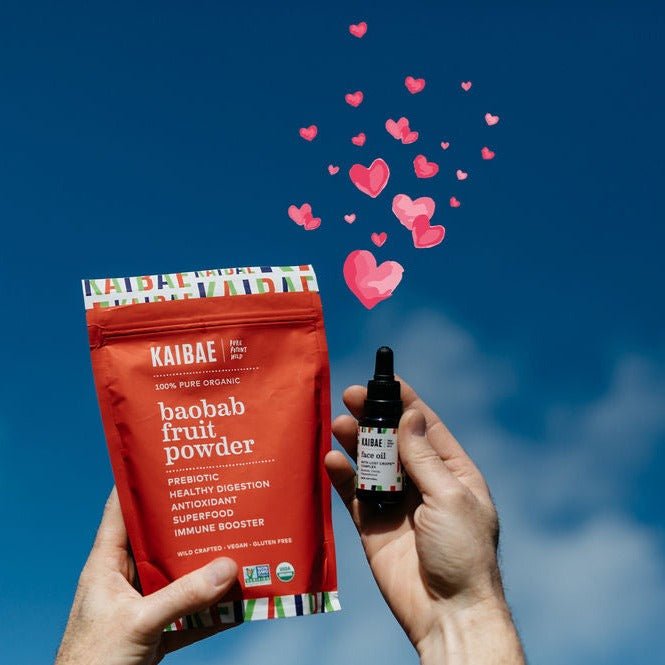
👉 Try KAIBAE Organic Baobab Powder

Nutritional Benefits of Baobab Powder
1. Baobab powder contains 6× more vitamin C than an orange
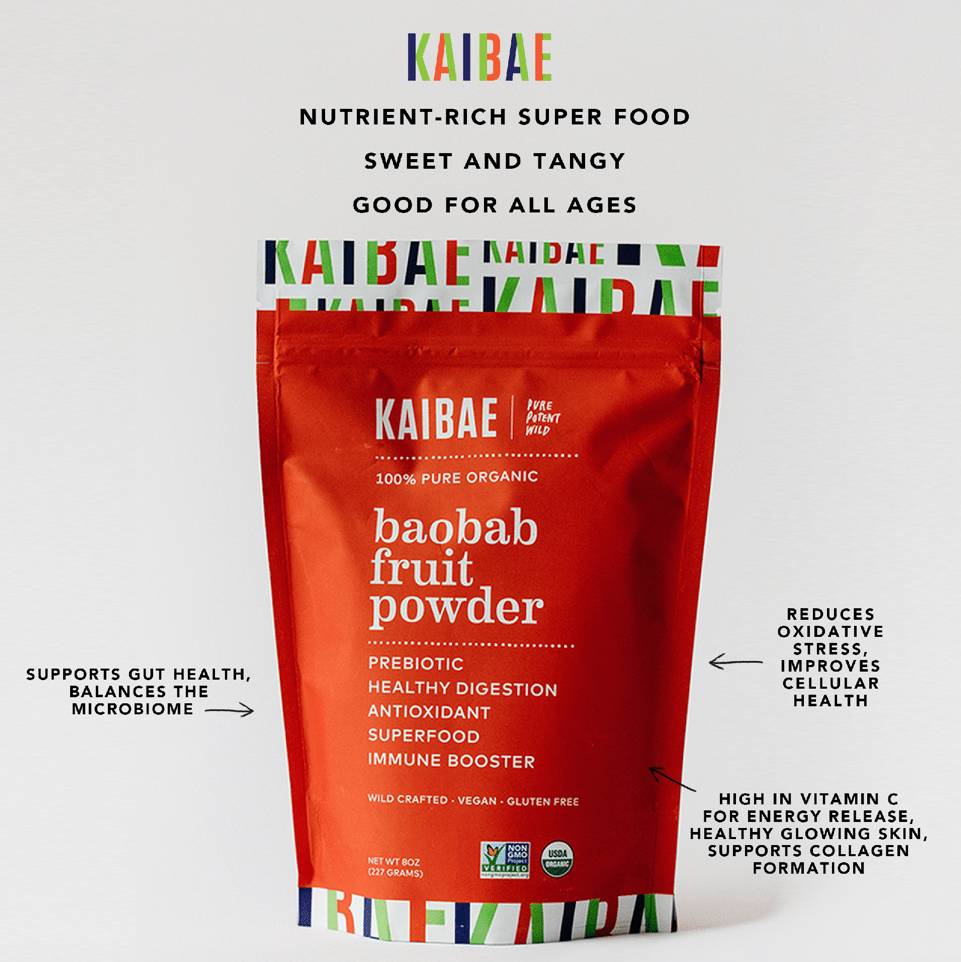
One tablespoon of baobab powder provides 33% of the recommended daily intake of vitamin C — approximately six times the concentration found in a fresh orange. Because the human body cannot produce vitamin C on its own, it must come entirely from food. Vitamin C is essential for a healthy immune system, collagen synthesis, and iron absorption. In baobab powder specifically, its vitamin C content supports increased production of collagen and elastin — the proteins responsible for keeping skin supple, firm, and youthful.
2. Baobab powder has the highest calcium content of any known plant food
Baobab powder delivers roughly twice the calcium per gram as cow's milk, making it an exceptional vegan source of this critical mineral. Calcium is one of the most abundant minerals in the human body, essential for strong bones, healthy teeth, muscle contraction, nerve signaling, skin barrier integrity, and cardiovascular health.
3. Baobab powder contains 4× more potassium than a banana
Baobab powder is one of the richest plant-based sources of potassium, providing approximately four times the potassium content of a banana per serving. Potassium works alongside sodium to regulate fluid balance, muscle function, and kidney health. Every cell in the body depends on potassium to regulate heartbeat, relax blood vessels, support healthy blood pressure, prevent muscle cramping, and calm the nervous system.
4. Baobab powder is a significant source of magnesium
Magnesium participates in over 600 biochemical reactions in the body, regulating blood sugar, heart rhythm, and brain function. For athletes, adequate magnesium intake has been shown to improve leg strength and overall physical performance. Deficiency is associated with increased risk of depression, anxiety, and sleep disruption — making baobab powder a useful daily addition for both general and athletic populations.

Gut Health and Digestive Benefits
5. Baobab powder is a prebiotic fiber powerhouse
Baobab powder is a rich source of both soluble and insoluble prebiotic fiber, which selectively feeds beneficial gut bacteria — particularly Lactobacilli and Bifidobacteria. It also promotes the production of short-chain fatty acids (SCFAs), including acetate, propionate, and butyrate. These SCFAs carry wide-ranging health benefits: anti-inflammatory, anti-obesity, anti-diabetic, anticancer, cardiovascular protective, hepatoprotective, and neuroprotective effects have all been documented in research. Low SCFA levels are associated with irritable bowel syndrome, ulcerative colitis, diabetes, and heart disease.
6. Baobab powder supports a healthy gut microbiome
The gut houses trillions of microorganisms involved in digestion, nutrient absorption, and vitamin synthesis. Prebiotic fiber from baobab powder increases the growth of beneficial bacteria, strengthening not just the digestive system but also immune function, hormonal balance, and nervous system health. Research also links prebiotic fiber to improved mood, better stress resilience, and more restful sleep — benefits that extend well beyond the gut.
7. Baobab powder supports healthy cholesterol levels
Studies show that baobab powder has hypolipidemic (cholesterol-lowering) and antioxidative effects, attributed to its high concentration of phenols and flavonoids. Regular consumption has been linked to reduced total cholesterol, lower triglycerides, and decreased LDL cholesterol — all key markers of cardiovascular health.
8. Baobab powder is low glycemic
Baobab powder is a low-glycemic food, meaning it digests slowly and helps stabilize blood sugar levels throughout the day. Maintaining stable blood glucose supports sustained energy, cognitive clarity, and a balanced mood. The fiber content is the primary driver of this effect, slowing the absorption of sugars from other foods consumed in the same meal.

Immune, Metabolic, and Performance Benefits
9. Baobab powder is a polyphenol powerhouse
Baobab powder contains six times more polyphenols than berries per serving. Polyphenols are plant compounds that protect tissues from oxidative stress and help reduce chronic inflammation — a root driver of cardiovascular disease, metabolic syndrome, cancer, and neurological decline. Studies specifically show that the polyphenols in baobab help improve blood sugar balance and support microbiome diversity.
10. Baobab powder supports immune function
Approximately 70% of the body's immune cells reside in the gut, meaning microbiome health is directly tied to immune strength. Baobab powder addresses immunity on two fronts: prebiotic fiber to balance the gut microbiome, and vitamin C to directly support immune cell production and function.
11. Baobab powder supports healthy weight management
Baobab powder promotes satiety and helps normalize gut flora, reducing populations of harmful bacteria associated with obesity and metabolic dysfunction. Gut dysbiosis (microbial imbalance) is linked to increased depression and anxiety, which can dysregulate appetite and energy. By improving gut health, mood, and metabolic signaling, baobab powder can be a useful tool in weight management.
12. Baobab powder supports athletic performance and recovery
For athletes, baobab powder offers a multi-nutrient advantage: prebiotic fiber to optimize gut health and nutrient absorption, magnesium for muscle performance and fatigue reduction, potassium to prevent cramping, and calcium for muscle contraction and bone integrity. Gut health optimization has also been independently shown to improve endurance and recovery in active individuals.
👉 Add Baobab Powder to your routine

Sourcing and Sustainability
13. Baobab powder is wildcrafted and pesticide-free
KAIBAE baobab powder is wild-harvested — meaning it comes from trees that grow naturally in the African savanna, with no cultivation, pesticides, or artificial inputs required. Wild-harvesting preserves biodiversity and honors the baobab's natural ecosystem. Every purchase directly supports conservation of a species once considered a "Lost Crop" whose nutritional and economic value had long been underestimated.
14. KAIBAE baobab powder is single-origin from northern Ghana
KAIBAE sources its baobab fruit exclusively from the northern region of Ghana, where poverty is widespread and economic opportunity is limited. As a certified B Corporation, KAIBAE has built a regenerative and ethical harvest model in direct partnership with local communities, providing stable year-round income and improving access to healthcare and education. Each tablespoon you take supports a supply chain designed to benefit people and planet equally.
15. Baobab powder is delicious and versatile
Baobab powder has a naturally mild citrus flavor — mildly sweet and slightly tangy — making it easy to incorporate into daily routines. It dissolves in water, blends smoothly into smoothies, and can be stirred into yogurt, oatmeal, or porridge. It also bakes well into pancakes, breads, and desserts. KAIBAE co-founder Barbara Maes describes the flavor as "a sweet-tart that met a pixie stick" — and a spoonful mixed with honey makes an immune-boosting treat children love.
How to Use Baobab Powder
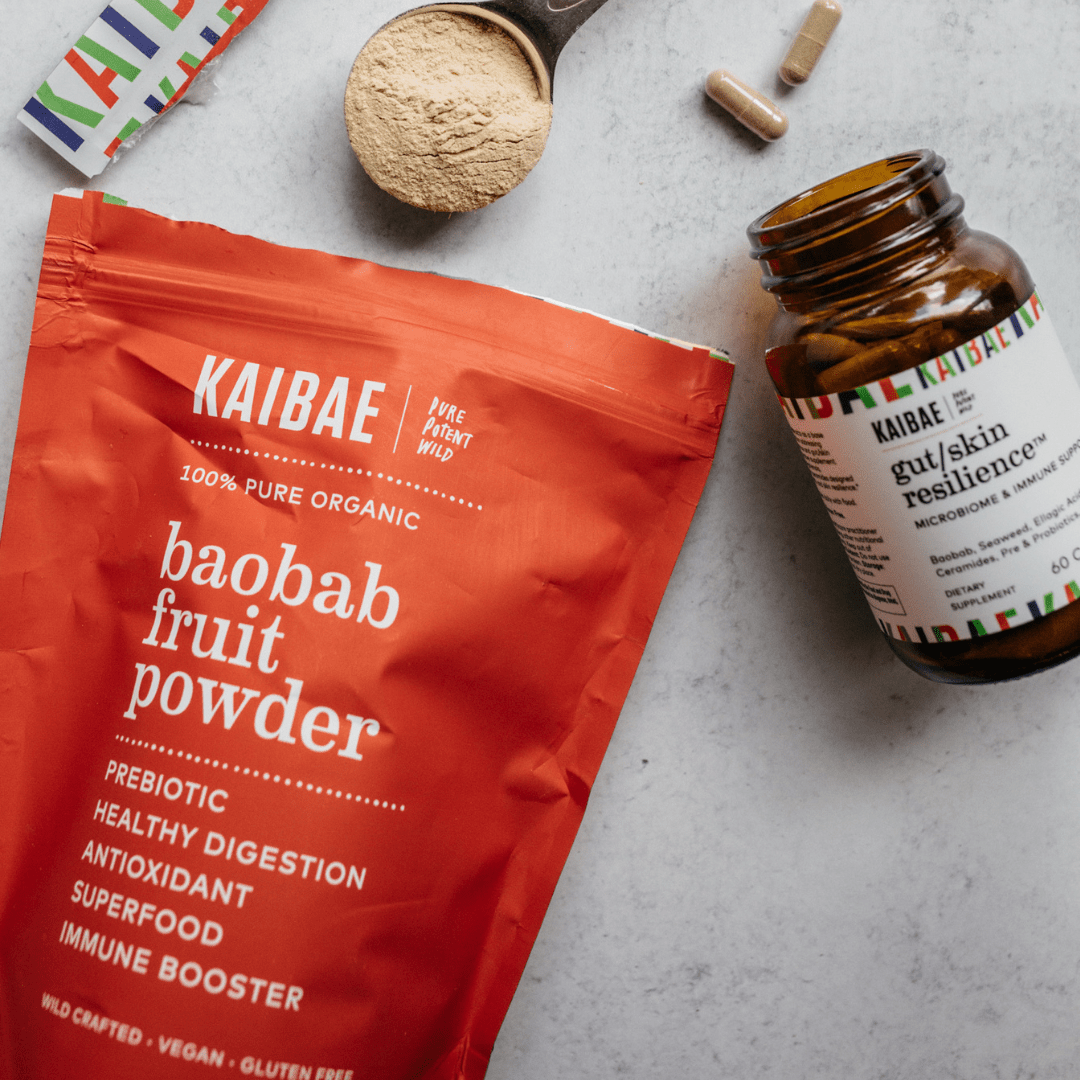
How much baobab powder a day? Our recommended serving is 1 to 2 heaping tablespoons every day, morning or night (or both).
For a quick boost, mix superfood baobab powder into a glass of water or juice. Baobab powder is naturally sweet and tangy so it goes well in everything from water to desserts. It can also be stirred into yogurt and oatmeal, sprinkled on fruit or salads, and added to baked goods, soups, and desserts. For delicious baobab powder recipes, check out our recipes blog and download our recipe ebook here.
Now you know why Baobab is considered a “superfood” and has been revered for centuries. Baobab powder is an incredibly nutrient-rich, prebiotic food that supports gut health, glowing skin, immune health and optimal wellness inside and out. Cheers to good health!
Frequently asked questions about baobab powder
What is baobab powder?
Baobab powder is a whole-food supplement made from the dried, pulverized fruit of the baobab tree (Adansonia digitata), native to sub-Saharan Africa. It is naturally rich in prebiotic fiber, vitamin C, calcium, potassium, magnesium, and polyphenols, and requires minimal processing — the sun dries the fruit inside the pod naturally.
How much baobab powder should I take per day?
The recommended serving is 1 to 2 heaping tablespoons per day, morning or night (or both). You can mix it into water, juice, smoothies, yogurt, or oatmeal. There is no established upper limit for healthy adults, but starting with 1 tablespoon and increasing gradually is advisable to let your gut adjust to the added fiber.
What does baobab powder taste like?
Baobab powder has a mild, naturally sweet and tangy citrus flavor — often compared to a cross between tamarind and cream of tartar, but milder and more pleasant. It dissolves easily in water and blends seamlessly into smoothies and baked goods.
Is baobab powder good for gut health?
Yes. Baobab powder is one of the most effective prebiotic fiber sources available. It feeds beneficial gut bacteria (Lactobacilli and Bifidobacteria), promotes production of short-chain fatty acids, and has been shown in research to improve gut microbiome diversity. A healthy microbiome supports digestion, immunity, mood, and metabolic health.
How does baobab powder compare to other superfoods?
Compared to commonly cited superfoods, baobab powder provides 6× more vitamin C than oranges, 4× more potassium than bananas, 2× the calcium of milk, and 6× more polyphenols than berries — making it nutritionally distinctive even within the superfood category.
Is baobab powder safe for children?
Baobab powder is a whole food with an extensive history of safe use in African communities across generations. A small daily serving (½ to 1 teaspoon mixed with honey, for example) is a gentle way to introduce it to children. As with any dietary change for children, consult a pediatrician if you have specific health concerns.
Is KAIBAE baobab powder organic and pesticide-free?
Yes. KAIBAE baobab powder is wild-harvested from trees growing naturally in northern Ghana without pesticides, cultivation, or chemical inputs. Wild-harvested foods are inherently free of agricultural chemicals. KAIBAE is also a certified B Corporation with direct community partnerships that ensure ethical and regenerative harvesting practices.
Where does KAIBAE source its baobab powder?
KAIBAE sources baobab exclusively from the northern region of Ghana, in partnership with local harvesting communities. This single-origin sourcing ensures traceability, quality control, and direct economic benefit to the communities where the trees grow.
👉 Order KAIBAE Baobab Fruit Powder Today
 Written by Dr. Luc Maes, MD — integrative medicine physician and co-founder of KAIBAE. For more about Dr. Luc Maes