Baobab: The Fiber-First Superfruit for Satiety & Gut Health
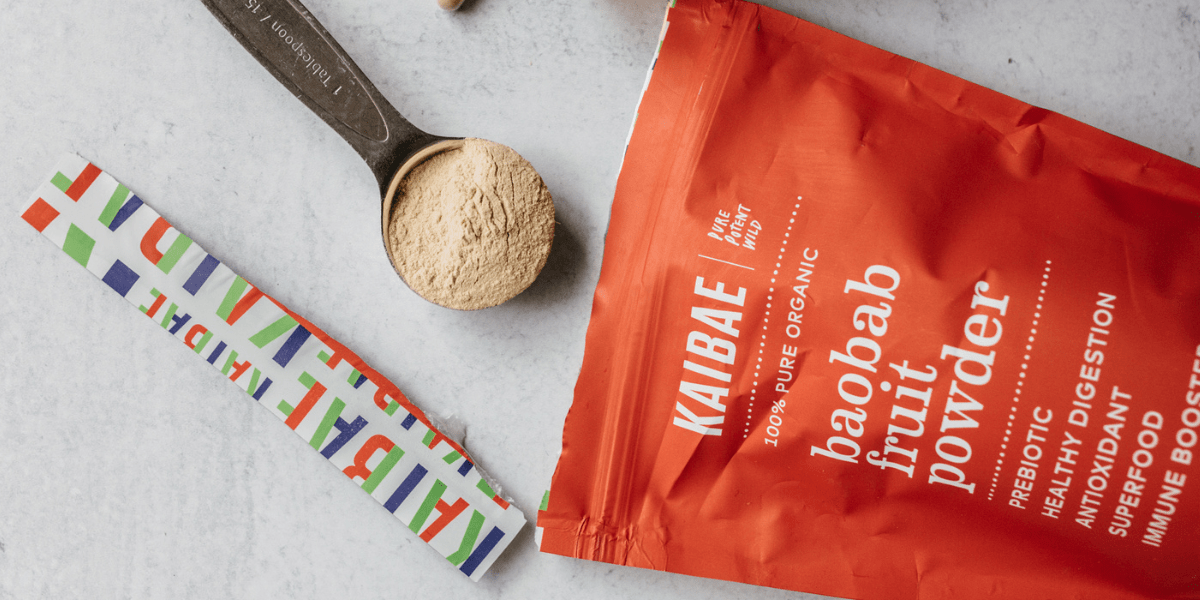
As more people look for simple, food-based ways to support gut health, digestive wellness, and healthier eating habits, one nutrient continues to shape the conversation: fiber. Yet despite its importance, most people still fall short of their daily fiber needs.
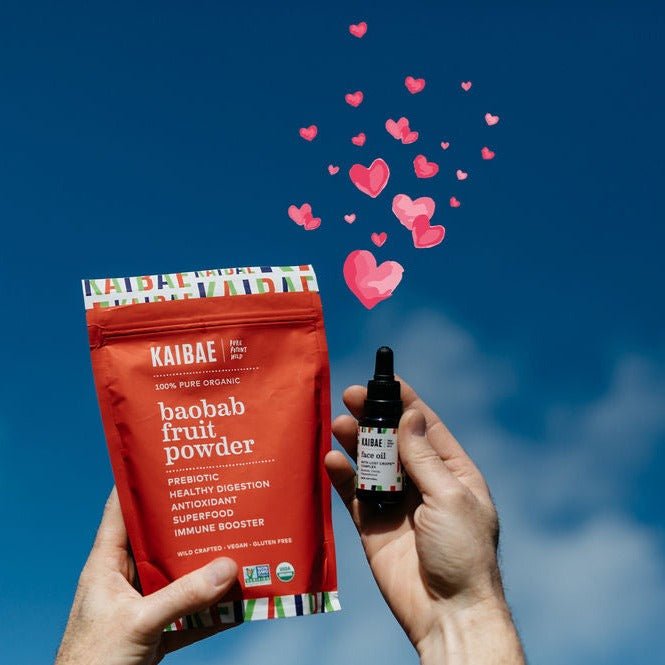
This is where baobab fruit powder stands apart.
While many superfoods are known for antioxidants or trendy ingredients, baobab stands apart for something more foundational: fiber.
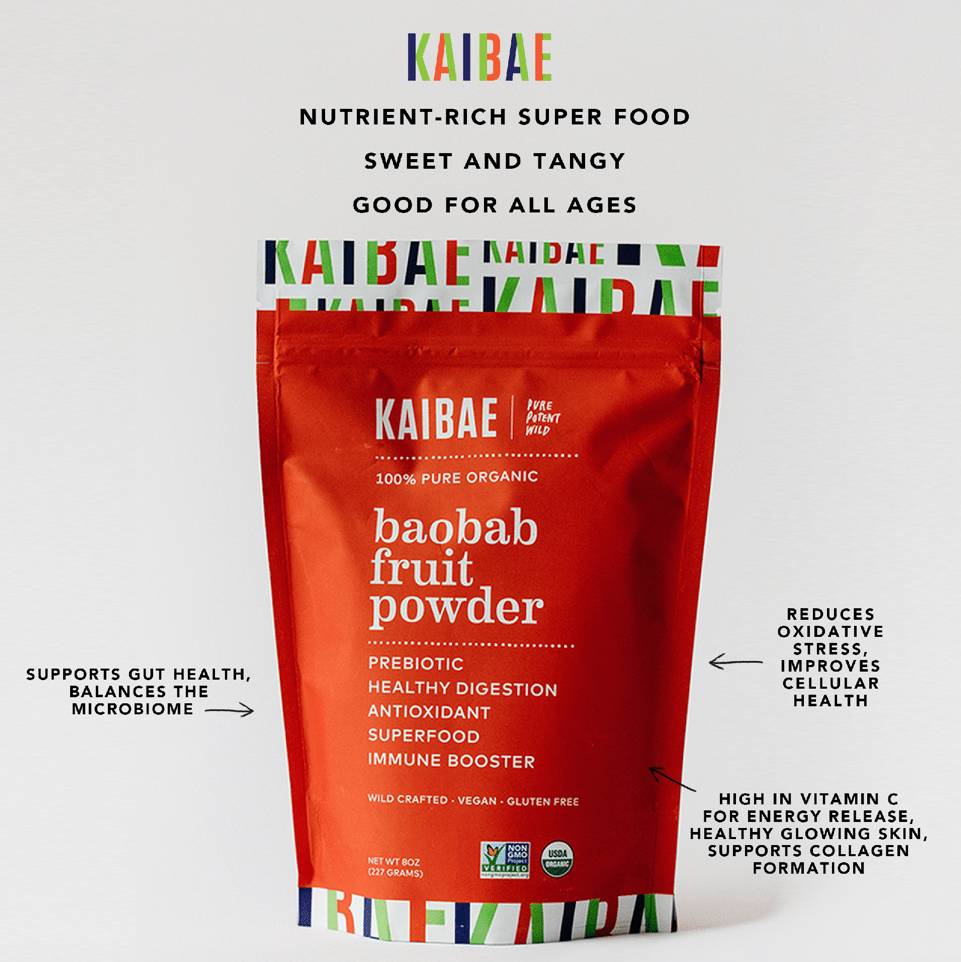
Naturally composed of approximately 50% whole-food fiber, baobab delivers a dense concentration of dietary fiber in a minimally processed fruit form. Even more importantly, a significant portion of this fiber functions as prebiotic fiber, helping nourish beneficial gut bacteria that play a central role in digestion, balance, and overall wellness.

What Is Baobab Fruit Powder?
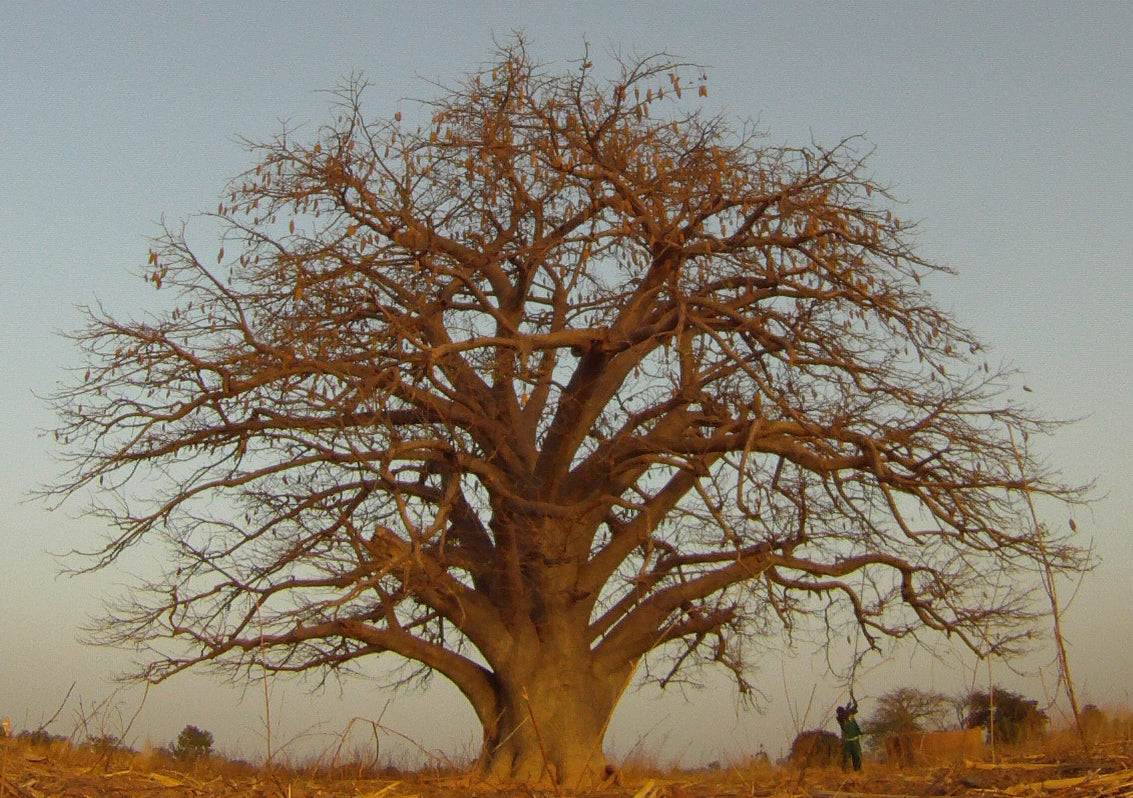
Baobab fruit powder is made from the fruit of the African baobab tree (Adansonia digitata), often referred to as the “Tree of Life.” The fruit naturally dries inside its shell while still on the tree, preserving its nutritional integrity before harvest.
Once collected, the dried pulp is gently milled into a fine powder that retains its whole-food structure.
Baobab fruit powder is naturally:
-
High in dietary fiber
-
Rich in Vitamin C
-
Low in sugar compared to most fruit powders
-
Plant-based, gluten-free, and non-GMO
-
Minimally processed and additive-free
Because it is consumed in its whole-food form, baobab maintains a unique nutritional profile that fits easily into modern wellness routines.
The Fiber Advantage of Baobab
Many of the most recognized baobab powder benefits stem from its naturally high whole-food fiber content, which supports gut health, digestive wellness, and natural satiety. At the core of baobab’s nutritional value is its extraordinary fiber content.
Baobab contains approximately:
~50% whole-food dietary fiber
This makes organic baobab powder one of the most fiber-dense natural foods available in fruit form.
Rather than being an added supplement or isolated compound, this fiber exists naturally within the fruit’s structure, making it a simple way to increase daily fiber intake through real food.
Baobab is an easy way to increase daily fiber intake through whole-food nutrition.
Why Fiber Matters for Daily Wellness
Dietary fiber plays a foundational role in nutrition and is widely associated with:
-
Healthy digestion and regularity
-
Balanced appetite and eating patterns
-
Improved meal satisfaction
-
Gut microbiome support
-
Overall digestive comfort
Despite its importance, fiber remains one of the most under-consumed nutrients in modern diets, making whole-food sources increasingly valuable.
Naturally Rich in Prebiotic Fiber
Beyond total fiber content, baobab also contains naturally occurring prebiotic fiber.
Prebiotic fibers are not digested by the body directly. Instead, they serve as nourishment for beneficial gut bacteria.
This supports:
-
A balanced gut microbiome
-
Healthy digestive function
-
Efficient nutrient utilization
-
Overall gastrointestinal wellness
Because of this, baobab is increasingly relevant in conversations around gut health foods and microbiome-friendly nutrition.
Fiber and Natural Satiety
One of fiber’s most important roles is its relationship to satiety, or the feeling of fullness after eating.
Fiber contributes to satiety by:
-
Slowing the digestion process
-
Increasing the sense of fullness after meals
-
Adding bulk without excess calories
-
Supporting natural appetite regulation
Because baobab is naturally rich in fiber, it fits seamlessly into diets focused on balanced eating and sustainable nutrition habits.

Baobab and Satiety: Supporting Natural Fullness
As interest grows in foods that support fullness and reduce unnecessary snacking, baobab has become increasingly relevant in the satiety and fiber nutrition space.
Rather than acting as a stimulant or engineered appetite product, baobab works through a simple, natural mechanism: whole-food fiber that supports digestive satisfaction and fullness after meals.
This makes it especially appealing for individuals looking to build healthier, more balanced eating patterns through real food rather than restrictive approaches.
Baobab and Gut Health
Gut health is now recognized as a central pillar of overall wellness, influencing digestion, nutrient absorption, and everyday comfort.
Baobab supports gut health primarily through its fiber content, particularly its naturally occurring prebiotic fibers.
These fibers help:
-
Nourish beneficial gut bacteria
-
Support digestive balance
-
Promote regularity and comfort
-
Contribute to a healthy internal microbiome environment
Because of this, baobab fruit powder is increasingly sought after in digestive wellness and gut health nutrition categories.
Healthy Weight Balance & Metabolic Wellness
While baobab is not positioned as a weight-loss product, its nutritional profile aligns with patterns commonly associated with healthy weight management and metabolic wellness.
Fiber-rich foods are widely linked to:
-
Greater fullness after meals
-
More stable eating patterns
-
Improved dietary quality
-
Reduced tendency toward overconsumption
Baobab supports these outcomes through its naturally high fiber content and nutrient density, making it a valuable addition to balanced, whole-food-based nutrition routines.
How to Use Baobab Powder
One of the advantages of baobab fruit powder is its versatility. Its light, citrus-like flavor blends easily into everyday foods without overpowering them.
Smoothies
Add baobab to smoothies for a simple fiber and nutrient boost.
Yogurt Bowls
Stir into yogurt with fruit, seeds, or granola.
Oatmeal
Mix into warm oats to increase fiber content.
Functional Drinks
Blend into water or wellness beverages for daily use.

Why KAIBAE Baobab Is Different
KAIBAE is committed to preserving the integrity of baobab while supporting the ecosystems and communities where it is sourced. Unlike commodity supply chains that treat baobab as an extract or bulk ingredient, KAIBAE works directly within the regions where baobab naturally grows to maintain both nutritional quality and ecological balance.
Wild Harvested in Ghana, West Africa
KAIBAE partners with wild harvesting communities in Northern Ghana, where baobab trees grow naturally across the savanna landscape. Harvesting is done by hand using traditional methods that have been passed down through generations.
Baobab trees grow wild across the savanna without farming, irrigation, or industrial agriculture. The fruit naturally dries inside the shell before harvest—a unique process that helps preserve the fruit’s naturally high fiber and nutrient content.
Whole-Food Nutrition
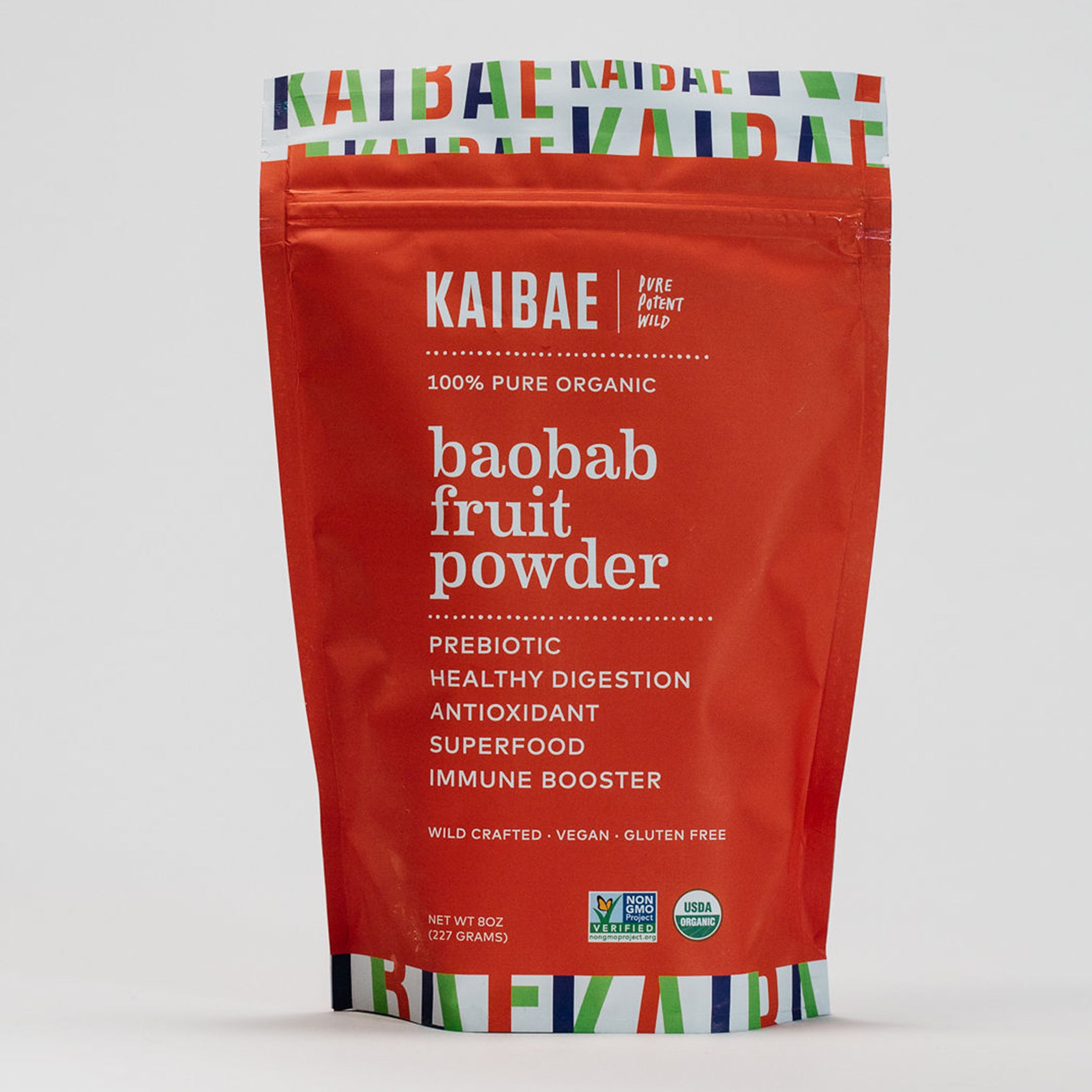
KAIBAE baobab is never fractionated, extracted, or stripped of its natural components. It is simply the whole fruit pulp gently milled into powder.
This matters because many fiber ingredients on the market are isolated or processed into synthetic or refined forms. KAIBAE preserves baobab in its original whole-food state, meaning it retains its naturally occurring fiber structure, including both dietary and prebiotic fiber, along with its native vitamin and polyphenol content.
No fillers. No isolates. No synthetic additives. Just pure organic baobab fruit powder.
Long-Term Community Partnerships
KAIBAE works through long-term sourcing relationships rather than short-term purchasing cycles. This creates consistency for harvesting communities and supports more stable, predictable income over time.
For many harvesting communities in Northern Ghana, baobab has become one of the most important seasonal income sources. Through long-term partnerships built over more than 15 years, KAIBAE helps create stable opportunities while ensuring the value of baobab remains connected to the communities where it naturally grows.
As a Certified B Corporation, KAIBAE believes nutrition should create value beyond the product itself—supporting healthy people, thriving ecosystems, and stronger communities.
Final Thoughts: Why Baobab Is the Fiber-First Superfruit
Baobab stands apart from most superfoods because it begins with something foundational: fiber. Unlike fruit powders focused on sugars or isolated nutrients, baobab is naturally composed of approximately 50% whole-food fiber, making it one of the most fiber-dense fruits in nature.
This unique structure, combined with naturally occurring prebiotic fiber, supports key areas of everyday wellness including gut health, digestive balance, and natural satiety. Instead of relying on engineered supplements or short-term solutions, baobab offers a return to simple, whole-food nutrition that aligns with how the body is designed to function.
As more people look for practical, food-based ways to increase fiber intake and support healthier eating habits, baobab fruit powder stands out as a powerful and natural option rooted in generations of traditional use and increasingly recognized in modern wellness.
Experience fiber-first nutrition with KAIBAE Baobab.