The Forgotten Nutrient: Why Baobab Is the Most Fiber-Dense Fruit You've Never Tried

Most people know they should eat more fiber. Few actually do.
The average American consumes around 15 grams of dietary fiber per day — roughly half the recommended amount. And while the supplement industry has responded with powders, pills, and fortified products, the simplest solution may be one that's been growing wild across the African savanna for thousands of years.
Baobab fruit powder offers something rare in modern nutrition: a minimally processed, whole-food source of dietary fiber so concentrated that it comprises approximately 50% of the fruit's dry weight. That's not a marketing claim — it's the natural composition of Adansonia digitata, the baobab tree, whose fruit dries on the branch before it's ever harvested.
What Is Baobab, Exactly?
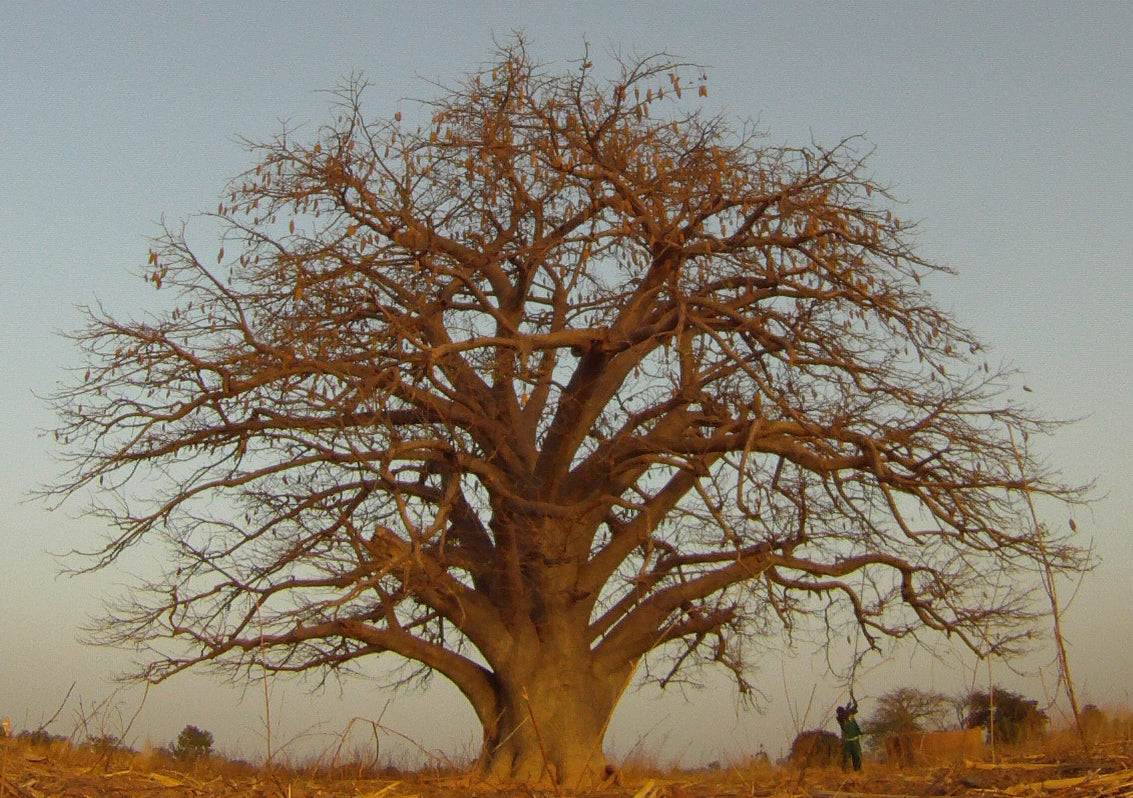
The baobab tree (Adansonia digitata) grows wild across sub-Saharan Africa and is often called the "Tree of Life" — a name earned over centuries of providing food, water, and medicine to communities across the continent. Its fruit is unlike most: rather than ripening with moisture, it desiccates naturally inside a hard shell while still on the tree, producing a dry, powdery pulp that is simply milled and packaged with minimal processing.
The result is a powder that is:
-
Naturally high in dietary fiber (~50% by dry weight)
-
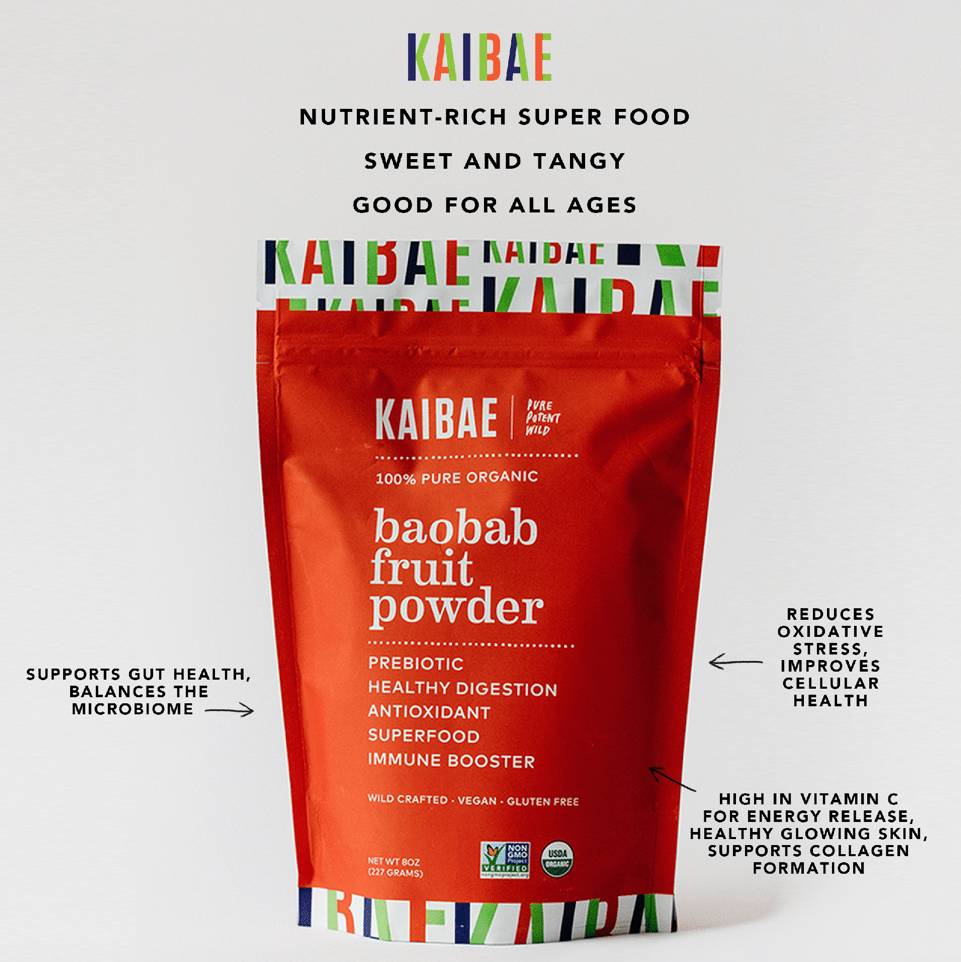
Rich in vitamin C — gram for gram, significantly more than oranges
-
Low in sugar relative to other fruits
-
Plant-based, gluten-free, non-GMO
-
Free of fillers, isolates, or synthetic additives
Unlike most fiber supplements, baobab isn't engineered or extracted. The fiber is simply there, as nature made it.
The Science Behind Baobab's Fiber
Not all fiber is equal, and baobab's profile is particularly noteworthy because it contains a significant proportion of prebiotic fiber — fiber that the human body doesn't digest directly, but that feeds beneficial bacteria in the gut.
Research into the gut microbiome has grown substantially over the past decade, and the picture is increasingly clear: the health of the trillions of microorganisms living in our digestive tract has meaningful consequences for digestion, immune function, and metabolic wellness. Prebiotic fibers are among the most direct dietary tools for supporting that ecosystem.
A 2019 study published in Nutrients found that baobab fruit extract had a measurable prebiotic effect, promoting the growth of beneficial gut bacteria in human trials. That kind of functional specificity is unusual for a whole fruit food.
Beyond gut health, dietary fiber plays a foundational role in:
-
Digestive regularity — fiber adds bulk and supports healthy transit time
-
Satiety — soluble fiber slows digestion, helping you feel fuller for longer
-
Blood sugar stability — fiber moderates the absorption of carbohydrates
-
Metabolic health — high-fiber diets are consistently associated with healthier weight patterns in long-term research.
Fiber and Fullness: A Natural Mechanism
One of the most practically useful aspects of baobab's fiber content is its effect on appetite. This isn't about suppression or stimulants — it's simple physiology. Fiber slows gastric emptying, increases the volume of food in the stomach, and triggers satiety hormones that signal fullness to the brain.
For people trying to build more balanced eating habits without restrictive dieting, that natural regulation can be genuinely useful. A tablespoon of baobab fruit powder added to a smoothie or yogurt bowl meaningfully increases the fiber content of a meal in a way that supports lasting fullness — not through any engineered mechanism, but through the same principle that makes whole foods more satisfying than processed ones.

How to Use Baobab Powder
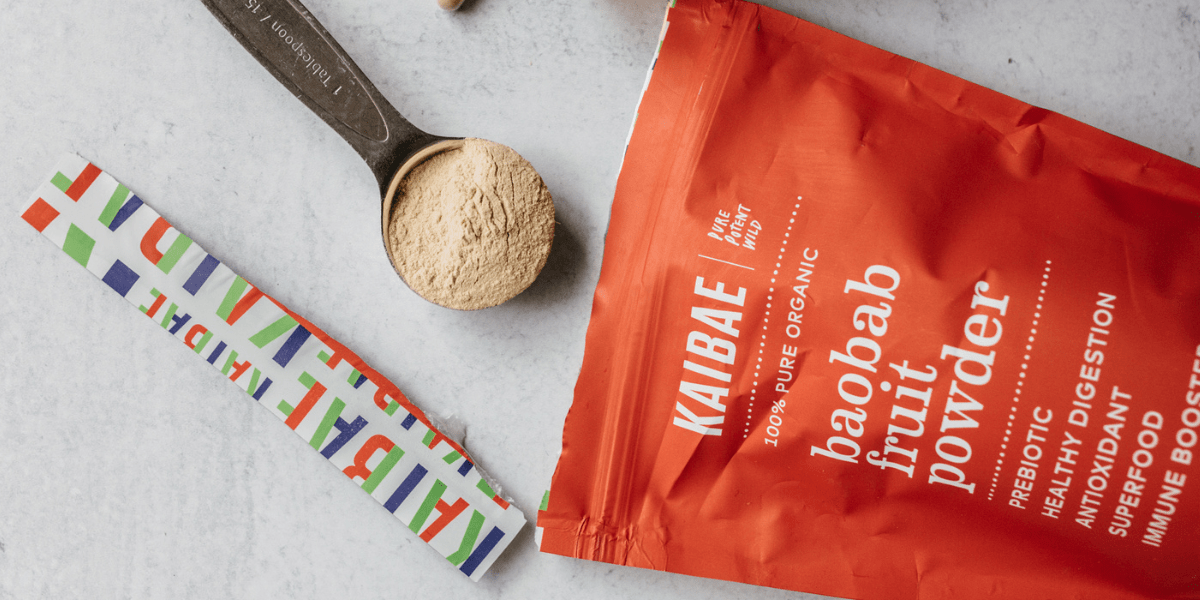
Baobab powder has a pleasantly tart, citrus-adjacent flavor that integrates easily into everyday foods. Its light color and fine texture mean it doesn't dominate whatever it's added to.
Smoothies — Add 1–2 tablespoons to any blended drink for a significant fiber boost with a subtle tangy note.
Yogurt bowls — Stir into plain or Greek yogurt with fruit and seeds. It pairs especially well with mango or citrus flavors.
Oatmeal — Mix into warm oats to increase the fiber density of breakfast without changing the texture significantly.
Functional drinks — Dissolve in water with a squeeze of lemon for a simple, low-calorie fiber drink.
A typical serving (1–2 tablespoons, or roughly 10–15g) delivers 5–7 grams of dietary fiber — a meaningful contribution toward the recommended 25–38 grams per day.
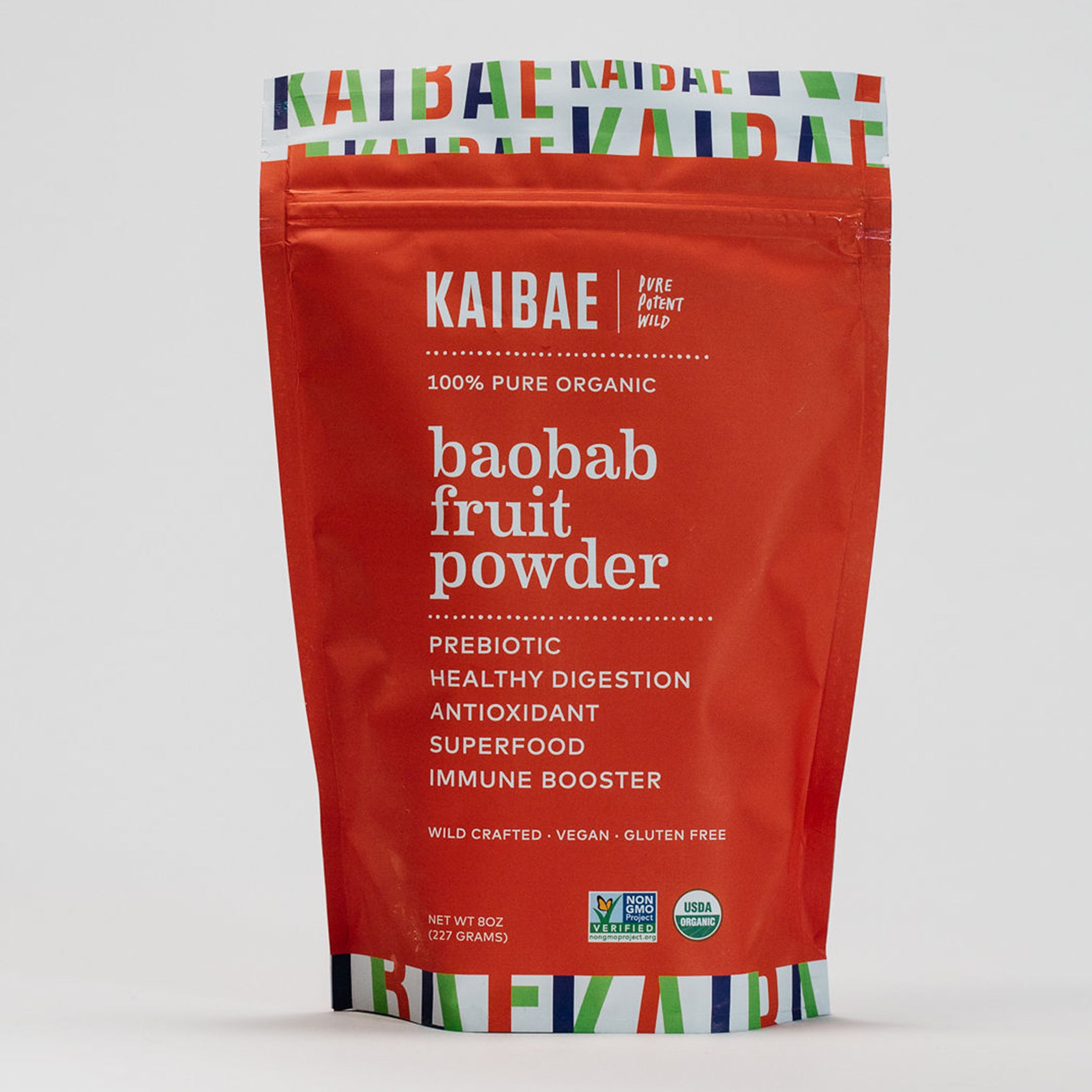
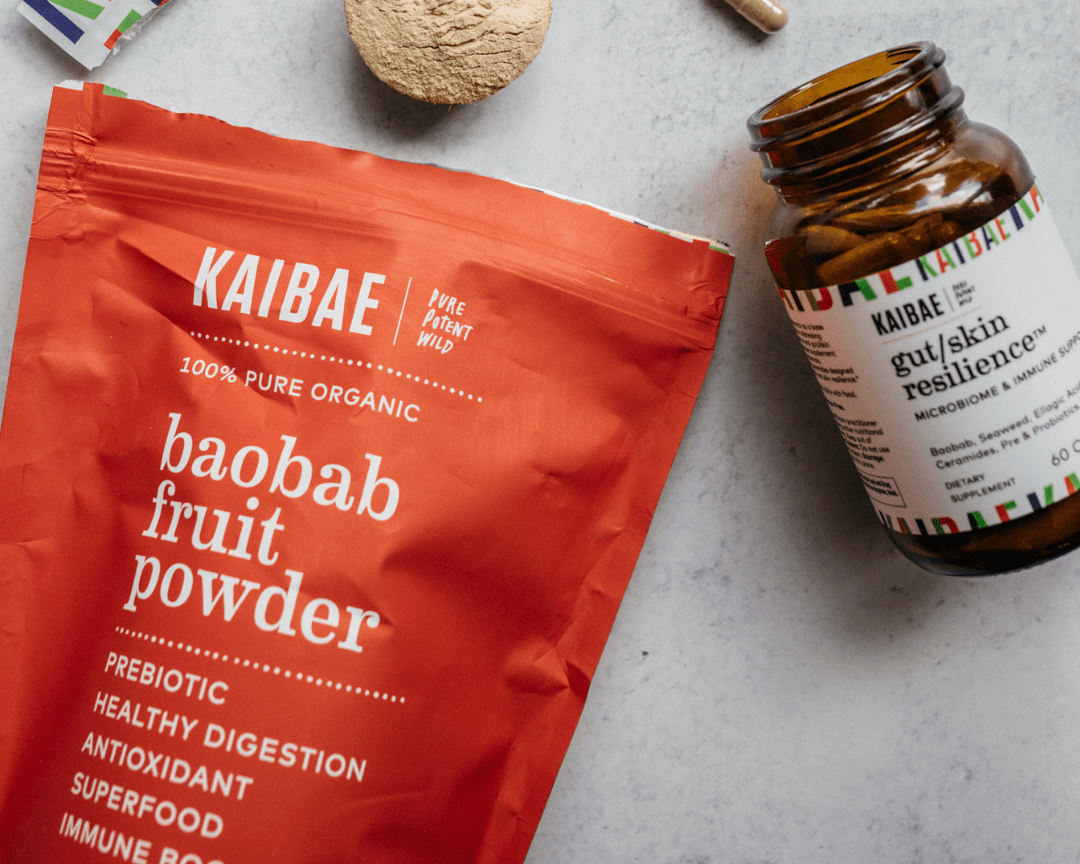
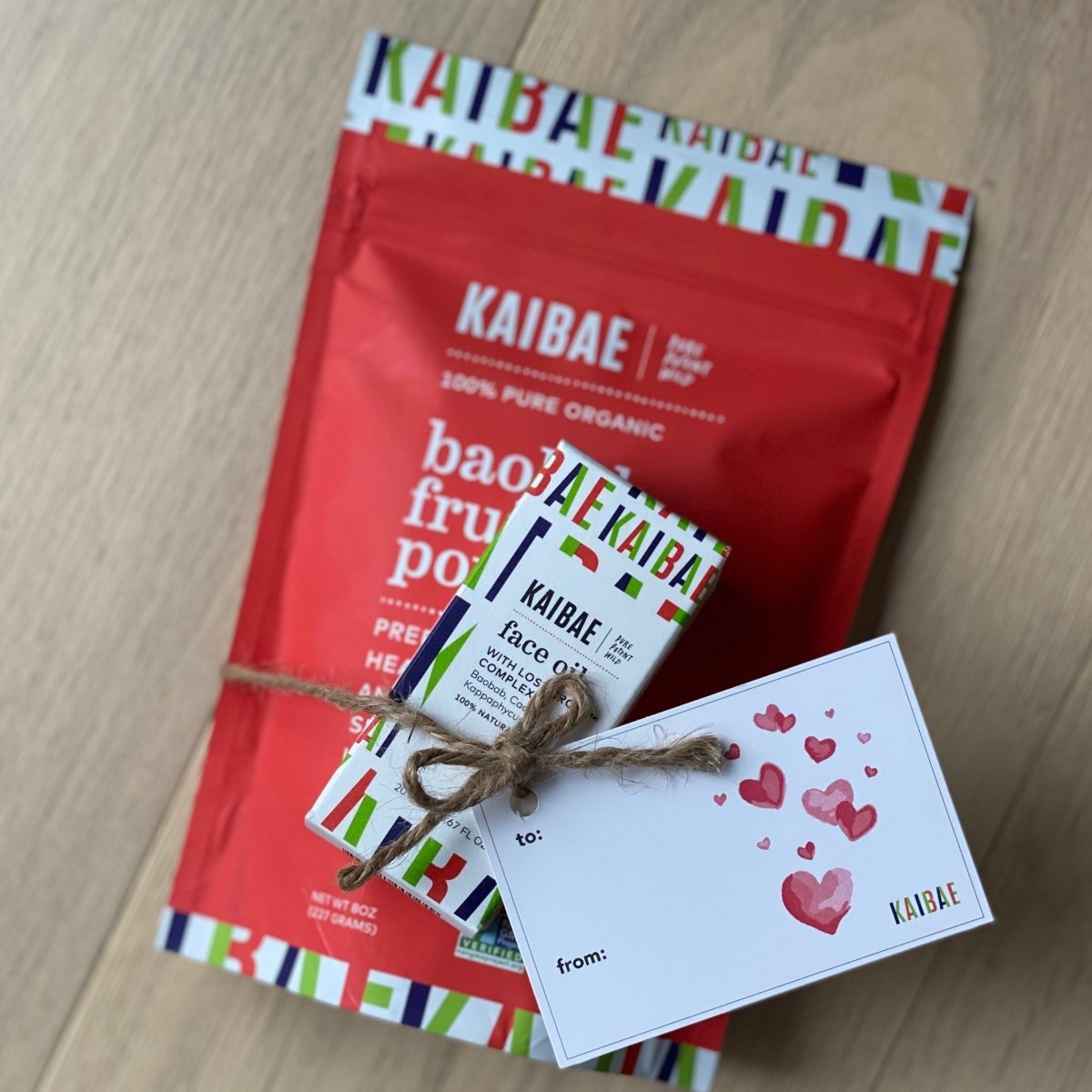
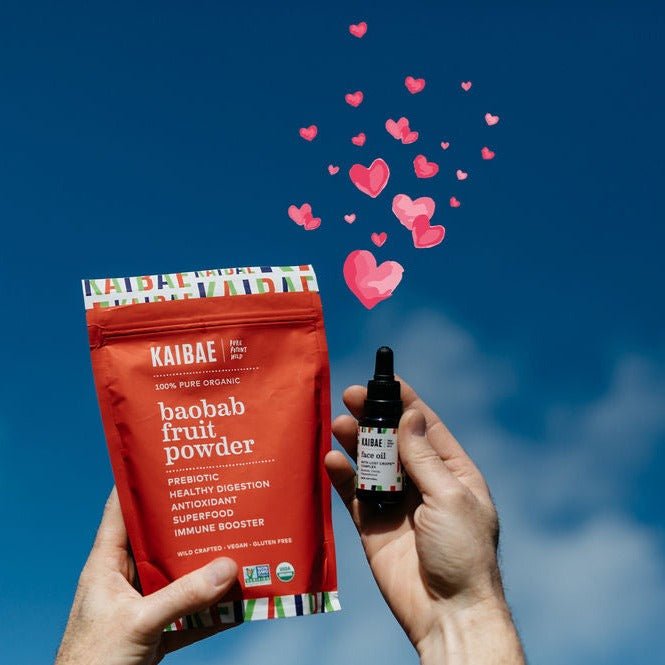
Ready to add baobab to your daily routine? Try KAIBAE Baobab Powder →

Sourcing and Sustainability
Part of what makes baobab nutritionally distinctive also makes it ecologically interesting. Baobab trees grow wild — they are not farmed, irrigated, or cultivated industrially. Harvesting is a traditional practice, done by hand in communities across West, Central and South Africa for whom baobab has long been a dietary staple and seasonal income source.
KAIBAE has partnered with wild-harvesting communities in Northern Ghana for more than 15 years, working through long-term sourcing relationships that support stable income for harvesters while preserving the integrity of the baobab ecosystem. As a Certified B Corporation, the company ties its supply chain to both nutritional quality and community benefit — a model that's become increasingly relevant as consumers look more carefully at where functional food ingredients actually come from.

The Bottom Line
Baobab fruit powder isn't a trendy superfood built around a single antioxidant or an isolated compound. Its value is more foundational: it is one of the most fiber-dense whole foods available in powder form, with a naturally occurring prebiotic profile that supports gut health in a direct, well-documented way.
In a nutrition landscape full of overcomplicated solutions, that simplicity is actually the point. More fiber, from real food, with minimal processing — and a supply chain rooted in communities that have relied on this fruit for generations.
For anyone looking to increase daily fiber intake through food rather than supplements, baobab is worth serious consideration.
KAIBAE Baobab Powder is wild-harvested in Northern Ghana and certified B Corporation.
Experience fiber-first nutrition from the source. Shop KAIBAE Baobab Powder →