Baobab Super Fiber for Weight Loss: How Gut Health & Fiber Support Natural Fat Loss

Weight loss is often framed as a battle of willpower and calorie counting. But research now shows that sustainable weight loss depends far more on how your body processes food than on how much you restrict.
Fiber, polyphenols, and the gut microbiome work together to influence appetite, blood sugar, inflammation, and fat metabolism. When these systems are supported, weight loss becomes easier, steadier, and far more sustainable.
One whole food that naturally brings these elements together is Baobab super fiber from the fruit of the African Baobab tree.
Why Fiber Is Foundational for Weight Loss
Dietary fiber is the part of plant foods that passes through digestion without being broken down. Rather than providing calories, it plays a regulatory role in metabolism, appetite, and blood sugar control.
There are two main types of fiber. Insoluble fiber supports digestion and regularity by adding bulk to stool. Soluble, fermentable fiber dissolves in water and slows digestion, helping you feel full longer while feeding beneficial gut bacteria.
For weight loss, soluble fermentable fiber is the most important — and this is where baobab stands out.
15 Amazing Benefits of Baobab Powder You'll Love
How Fiber Supports Fat Loss Naturally
Fiber helps with weight management by working with your biology instead of against it.
First, it increases fullness. By slowing how quickly food leaves the stomach, fiber helps you feel satisfied for longer periods. This naturally reduces snacking and lowers overall calorie intake without the feeling of restriction.
Second, fiber stabilizes blood sugar. Slower digestion means glucose enters the bloodstream more gradually, reducing sharp blood sugar spikes and insulin surges. Since insulin signals the body to store fat, keeping it steady supports fat burning and reduces cravings.
Finally, fermentable fiber activates natural satiety hormones in the gut. These hormones communicate with the brain to signal fullness and regulate appetite — the same pathways targeted by many modern weight-loss medications.

Appetite Hormones: GLP-1 and PYY
Two key hormones involved in appetite regulation are GLP-1 and PYY.
GLP-1 (glucagon-like peptide-1) is released after eating and helps signal fullness to the brain. It also slows digestion and improves insulin sensitivity, making it an important regulator of blood sugar and metabolism.
PYY (Peptide YY) is produced in the intestines after meals and helps reduce appetite by signaling satiety to the brain. Together, these hormones help control how much we eat and how hungry we feel between meals.
Fermentable fiber supports the natural release of both hormones, reinforcing appetite control in a gentle, food-based way.
Polyphenols: Small Compounds with Big Impact
Polyphenols are natural plant compounds found in fruits, vegetables, and herbs. While they don’t provide energy, they play an important role in metabolic health.
Polyphenols help improve insulin sensitivity, reduce low-grade inflammation, and support the body’s ability to burn fat efficiently. Many polyphenols aren’t absorbed in the small intestine and instead travel to the colon, where they interact directly with gut bacteria.
This interaction enhances their benefits, turning polyphenols into more bioactive compounds that support metabolic balance.
Polyphenols: A Game Changer for Increasing Metabolism and Weight Loss
The Gut Microbiome: Where It All Comes Together
The gut microbiome acts as a central control system for weight regulation. Fiber and polyphenols converge here, shaping the microbial environment in ways that influence metabolism and appetite.
Fermentable fiber feeds beneficial bacteria, which convert it into short-chain fatty acids (SCFAs). These compounds help improve insulin sensitivity, reduce inflammation, and support appetite regulation and fat metabolism.
Polyphenols support this process by increasing microbial diversity and suppressing inflammatory bacteria. Together, fiber and polyphenols help shift the gut ecosystem toward one associated with leanness and metabolic health.

SHOP BAOBAB
What Makes Baobab Super Fiber Unique?
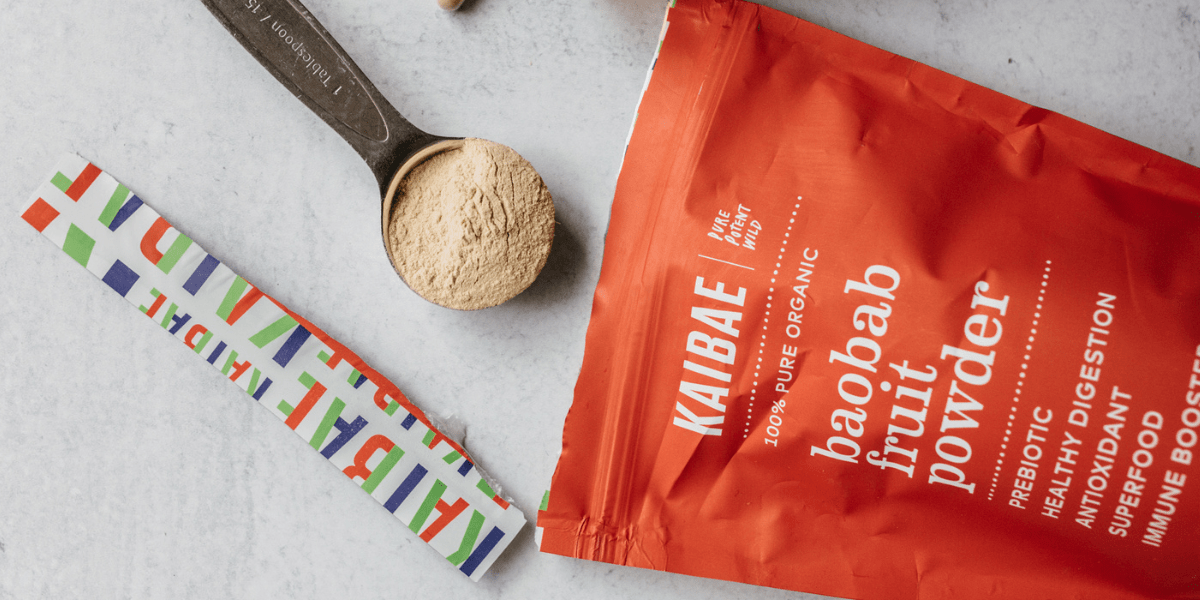
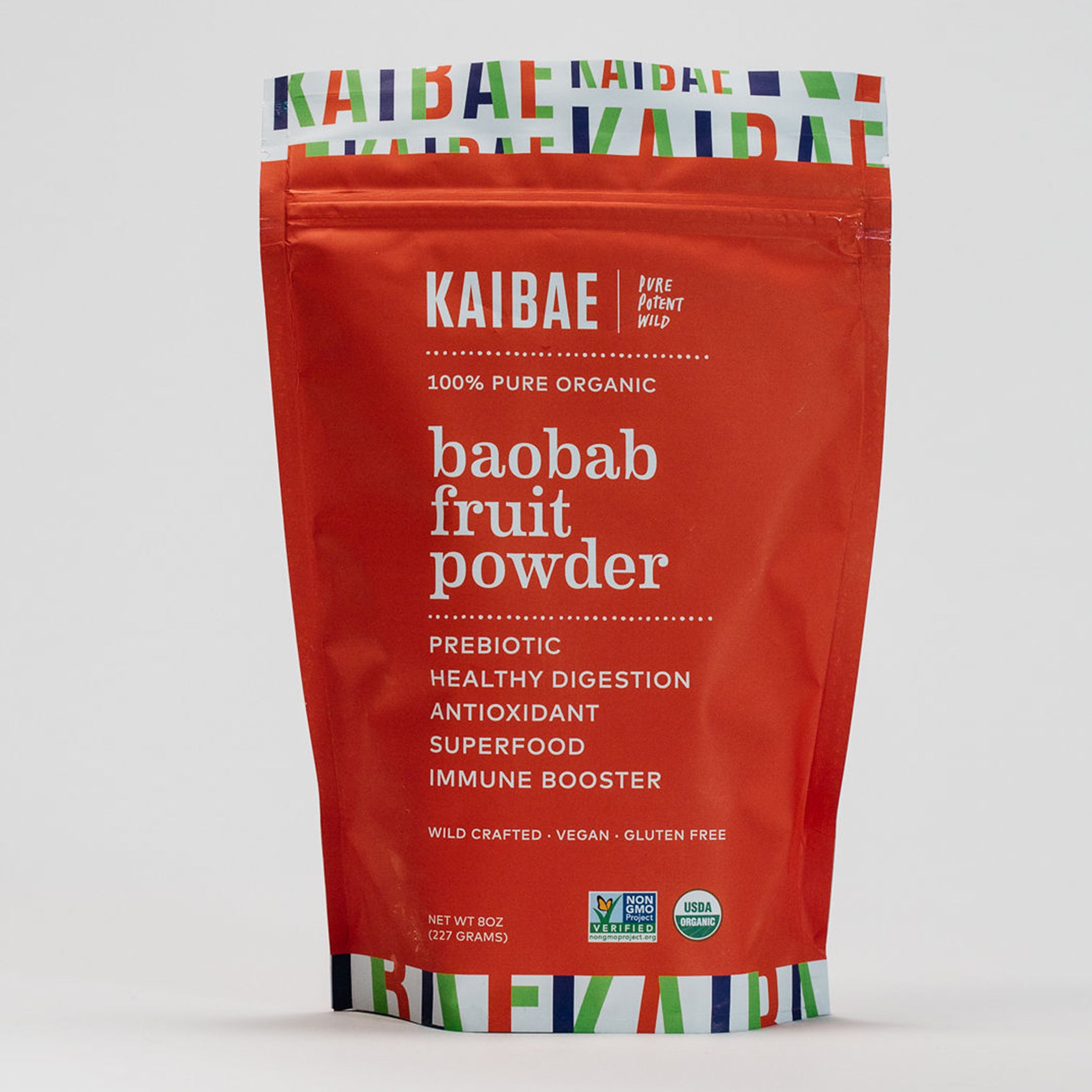
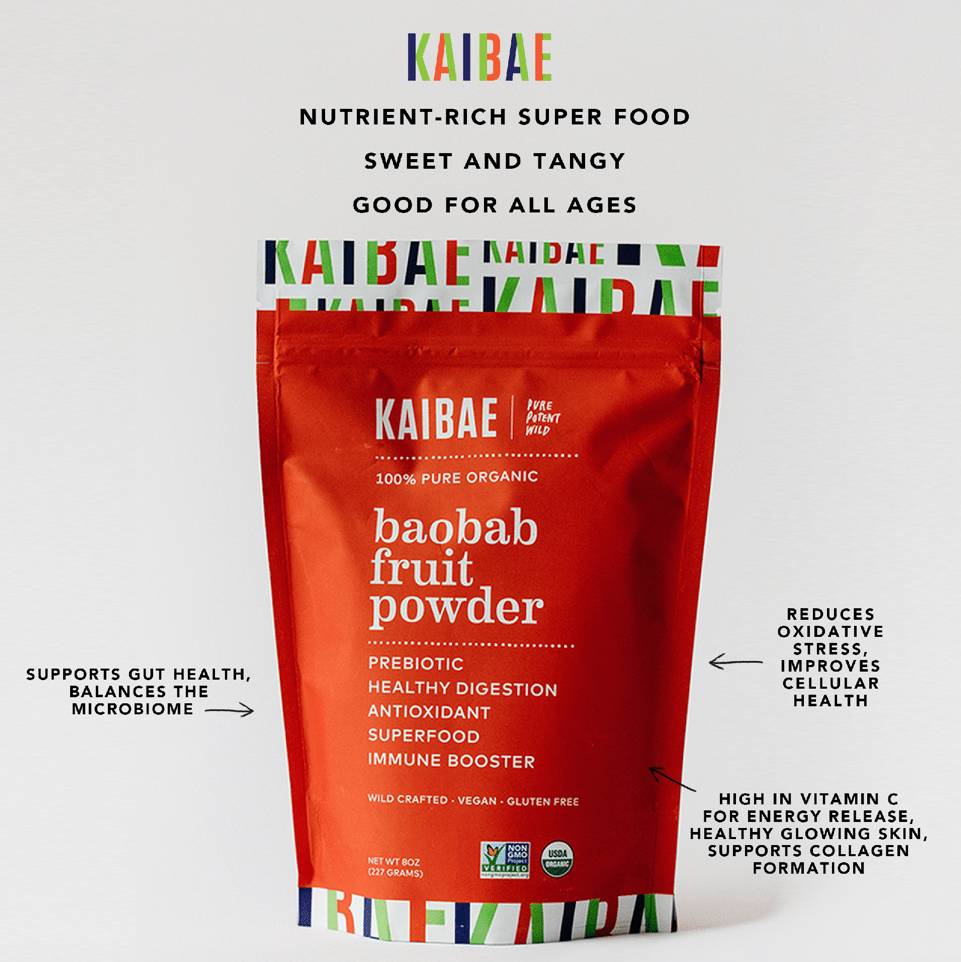
Baobab fruit powder is exceptional because it naturally combines high-quality fiber and polyphenols in a whole-food form.
Baobab is especially rich in soluble, fermentable fiber, which supports fullness, blood sugar balance, and beneficial gut bacteria. Because the fiber is part of a whole fruit matrix rather than an isolated extract, it tends to ferment more gradually and is easier to tolerate for daily use.
Baobab also contains a diverse range of polyphenols that work alongside fiber to support insulin sensitivity, reduce oxidative stress, and enhance gut-microbiome function.
This natural synergy makes baobab uniquely effective for metabolic support.
Baobab, Cravings, and Appetite Control
Cravings are often driven by unstable blood sugar and disrupted gut-brain signaling. Baobab helps address both.
By slowing carbohydrate absorption, supporting satiety hormones, and reducing inflammatory signals from the gut, baobab promotes a calmer appetite response. Many people experience fewer sugar cravings and greater ease sticking to healthy eating patterns.

SHOP BAOBAB
Supporting Long-Term Weight Loss
Unlike restrictive diets that often lead to rebound weight gain, fiber- and polyphenol-rich approaches support long-term metabolic health. These strategies help preserve lean muscle, improve insulin sensitivity, and strengthen the gut barrier.
Baobab fits naturally into this approach, offering daily fiber support without stimulants, harsh laxatives, or extreme restriction.
Simple Ways to Use Baobab Super Fiber
Baobab Super Fiber can be easily added to daily routines:
-
Blended into smoothies
-
Mixed into water or electrolyte drinks
-
Stirred into yogurt or chia pudding
-
Taken before meals to support fullness
Because it is naturally low-glycemic and gut-friendly, it works well with Mediterranean-style diets, intermittent fasting, and balanced weight-loss plans.
Key Takeaways
-
Fiber supports fullness, blood sugar balance, and gut health
-
Polyphenols help reduce inflammation and improve fat metabolism
-
Baobab Super Fiber combines both in a whole-food form
-
Supporting the gut makes weight loss more sustainable
Final Thought
If weight loss has felt like a constant struggle, it’s not because you’re failing—it’s because your body needs support. Sustainable fat loss starts in the gut, where fiber and polyphenols help regulate appetite, blood sugar, and metabolism. By naturally delivering both, Baobab Super Fiber helps your body feel more satisfied, balanced, and supported—making weight loss feel less like a fight and more like a natural process.
SHOP BAOBAB

References:
Cani, P.D., Jordan, B.F. & Delzenne, N.M. (2013) Gut microbiota and metabolic disorders: how prebiotics can work? British Journal of Nutrition, 109(S2), pp. S81–S85.
https://doi.org/10.1017/S0007114512004037
Chambers, E.S., Preston, T., Frost, G. & Morrison, D.J. (2018) Role of gut microbiota-generated short-chain fatty acids in metabolic and cardiovascular health. Nature Reviews Endocrinology, 14(12), pp. 731–747.
https://doi.org/10.1038/s41574-018-0128-1
Delzenne, N.M., Olivares, M., Neyrinck, A.M., Beaumont, M., Kjølbæk, L., Larsen, T.M., Benítez-Páez, A., Romaní-Pérez, M., Garcia-Campayo, V., Bosscher, D., Sanz, Y., Holst, J.J., Cani, P.D. & Pedersen, O. (2020) Nutritional interest of dietary fiber and prebiotics in obesity: lessons from the gut microbiota. Clinical Nutrition, 39(2), pp. 414–424.
https://doi.org/10.1016/j.clnu.2019.02.004
de Wit, N., Derrien, M., Bosch-Vermeulen, H., Oosterink, E., Keshtkar, S., Duval, C., de Vogel-van den Bosch, J., Kleerebezem, M. & Müller, M. (2012) Saturated fat stimulates obesity and hepatic steatosis and affects gut microbiota composition by an enhanced influx of bile acids. PLOS ONE, 7(8), e43905.
https://doi.org/10.1371/journal.pone.0043905
Gibson, G.R., Hutkins, R., Sanders, M.E., Prescott, S.L., Reimer, R.A., Salminen, S.J., Scott, K., Stanton, C., Swanson, K.S., Cani, P.D. & Verbeke, K. (2017) Expert consensus document: The International Scientific Association for Probiotics and Prebiotics (ISAPP) consensus statement on the definition and scope of prebiotics. Nature Reviews Gastroenterology & Hepatology, 14(8), pp. 491–502.
https://doi.org/10.1038/nrgastro.2017.75
Koh, A., De Vadder, F., Kovatcheva-Datchary, P. & Bäckhed, F. (2016) From dietary fiber to host physiology: short-chain fatty acids as key bacterial metabolites. Cell, 165(6), pp. 1332–1345.
https://doi.org/10.1016/j.cell.2016.05.041
Lattimer, J.M. & Haub, M.D. (2010) Effects of dietary fiber and its components on metabolic health. Nutrition Reviews, 68(7), pp. 367–383.
https://doi.org/10.1111/j.1753-4887.2010.00273.x
Liu, Y., Ajami, N.J., El-Serag, H.B., Hair, C., Graham, D.Y., White, D.L., Chen, L., Wang, Z., Plew, S., Kramer, J., Cole, R., & Petrosino, J.F. (2021). Dietary fiber intake regulates gut microbiota and improves metabolic outcomes in obesity. Gut Microbes, 13(1), pp. 1–15.
https://doi.org/10.1080/19490976.2021.1914451
Marques, F.Z., Nelson, E., Chu, P.Y., Horlock, D., Fiedler, A., Ziemann, M., Tan, J.K., Kuruppu, S., Rajapakse, N.W., El-Osta, A. & Mackay, C.R. (2017). A high-fiber diet and acetate supplementation change the gut microbiota and prevent the development of hypertension and heart failure. Circulation, 135(10), pp. 964–977.
https://doi.org/10.1161/CIRCULATIONAHA.116.024545
Milala, J., Kosmala, M., Sójka, M., Kołodziejczyk, K. & Zdunczyk, Z. (2009) Composition of polyphenols in baobab (Adansonia digitata L.) fruit pulp. Journal of Agricultural and Food Chemistry, 57(9), pp. 3466–3472.
https://doi.org/10.1021/jf803889x
Müller, M., Hernández, M.A.G., Goossens, G.H., Reijnders, D., Holst, J.J., Jocken, J.W.E., Blaak, E.E. & van Eijk, H.M. (2019) Circulating but not faecal short-chain fatty acids are related to insulin sensitivity, lipolysis and GLP-1 concentrations in humans. Scientific Reports, 9, 12515.
https://doi.org/10.1038/s41598-019-48775-0
Ríos-Covián, D., Ruas-Madiedo, P., Margolles, A., Gueimonde, M., de los Reyes-Gavilán, C.G. & Salazar, N. (2016) Intestinal short chain fatty acids and their link with diet and human health. Frontiers in Microbiology, 7, 185.
https://doi.org/10.3389/fmicb.2016.00185
Scalbert, A., Johnson, I.T. & Saltmarsh, M. (2005). Polyphenols: antioxidants and beyond. American Journal of Clinical Nutrition, 81(1), pp. 215S–217S.
https://doi.org/10.1093/ajcn/81.1.215S
Sivaprakasam, S., Prasad, P.D. & Singh, N. (2016). Benefits of short-chain fatty acids and their receptors in inflammation and carcinogenesis. Pharmacology & Therapeutics, 164, pp. 144–151.
https://doi.org/10.1016/j.pharmthera.2016.04.007
Torres-Fuentes, C., Schellekens, H., Dinan, T.G. & Cryan, J.F. (2017) The microbiota–gut–brain axis in obesity. The Lancet Gastroenterology & Hepatology, 2(10), pp. 747–756.