GLP-1 Medications and Gut Health: How Baobab Super Fiber Supports the Microbiome

“When appetite goes down, the needs of the gut don’t disappear — they just become easier to overlook.”
— Dr. Luc Maes
GLP-1 medications are changing how people eat. Smaller meals, reduced appetite, and slower digestion are now common experiences for millions of individuals using these therapies. For many, these shifts feel empowering and sustainable.
But as eating patterns change, an important question often gets missed:
How do we continue to support the gut microbiome when we’re eating less overall?
Gut health doesn’t operate on appetite alone. Even when food intake decreases, the gut microbiome still relies on consistent nourishment — especially from dietary fiber.
 Understanding GLP-1 Medications and the Gut
GLP-1 medications such as semaglutide and tirzepatide work by enhancing natural gut hormone signals that help regulate appetite and digestion. Many users experience increased fullness, reduced hunger, and smaller meal sizes.
While these changes can be beneficial, they also alter how food moves through the digestive system — which can impact the gut environment and how gut bacteria are nourished.
Why Gut Microbiome Support Matters on GLP-1s
The gut microbiome plays an essential role in digestive balance, metabolic signaling, and overall gut comfort. These microbes rely on dietary fiber, particularly fermentable plant fibers, as their primary fuel source.
When food intake decreases, fiber intake often drops too — even though the microbiome still needs consistent nourishment.
Fiber Intake Often Drops on GLP-1 Medications
Most adults already struggle to meet daily fiber recommendations. GLP-1 medications can unintentionally widen this gap as smaller meals and limited food variety become more common.
Without enough fiber, some people may experience digestive discomfort or irregularity. Supporting fiber intake remains important, even when calories are reduced.
Not All Fiber Is the Same for GLP-1 Users
Some fibers ferment very quickly, which may lead to gas or bloating — especially for individuals adjusting to changes in digestion.
For GLP-1 users, gentle, well-tolerated fiber sources are often a better fit for daily use.
What Is Baobab Super Fiber?
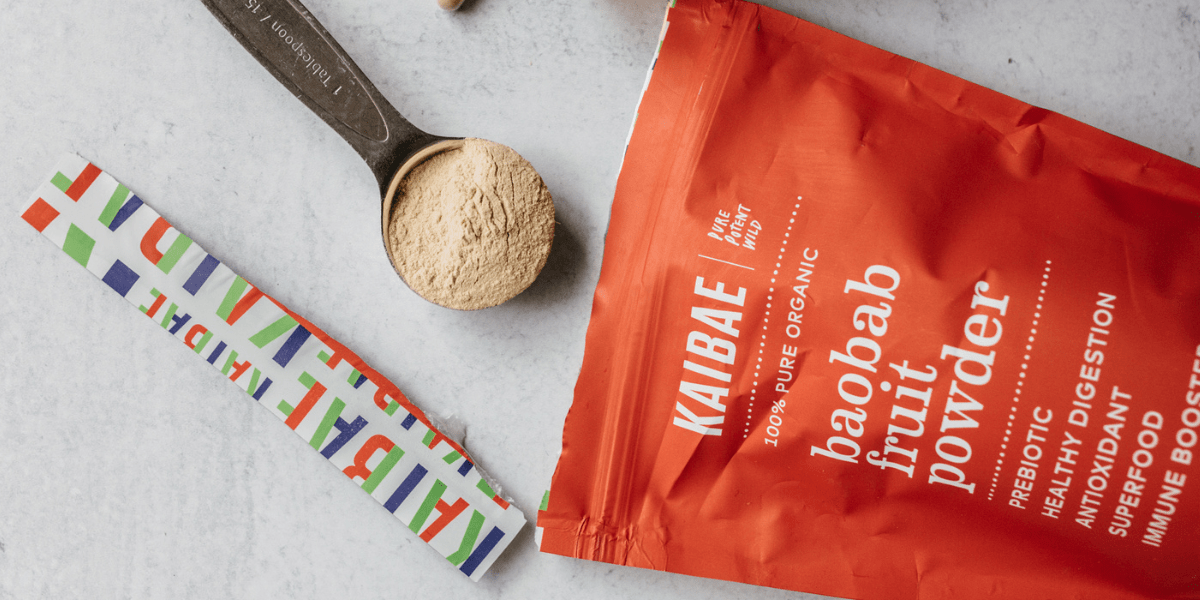
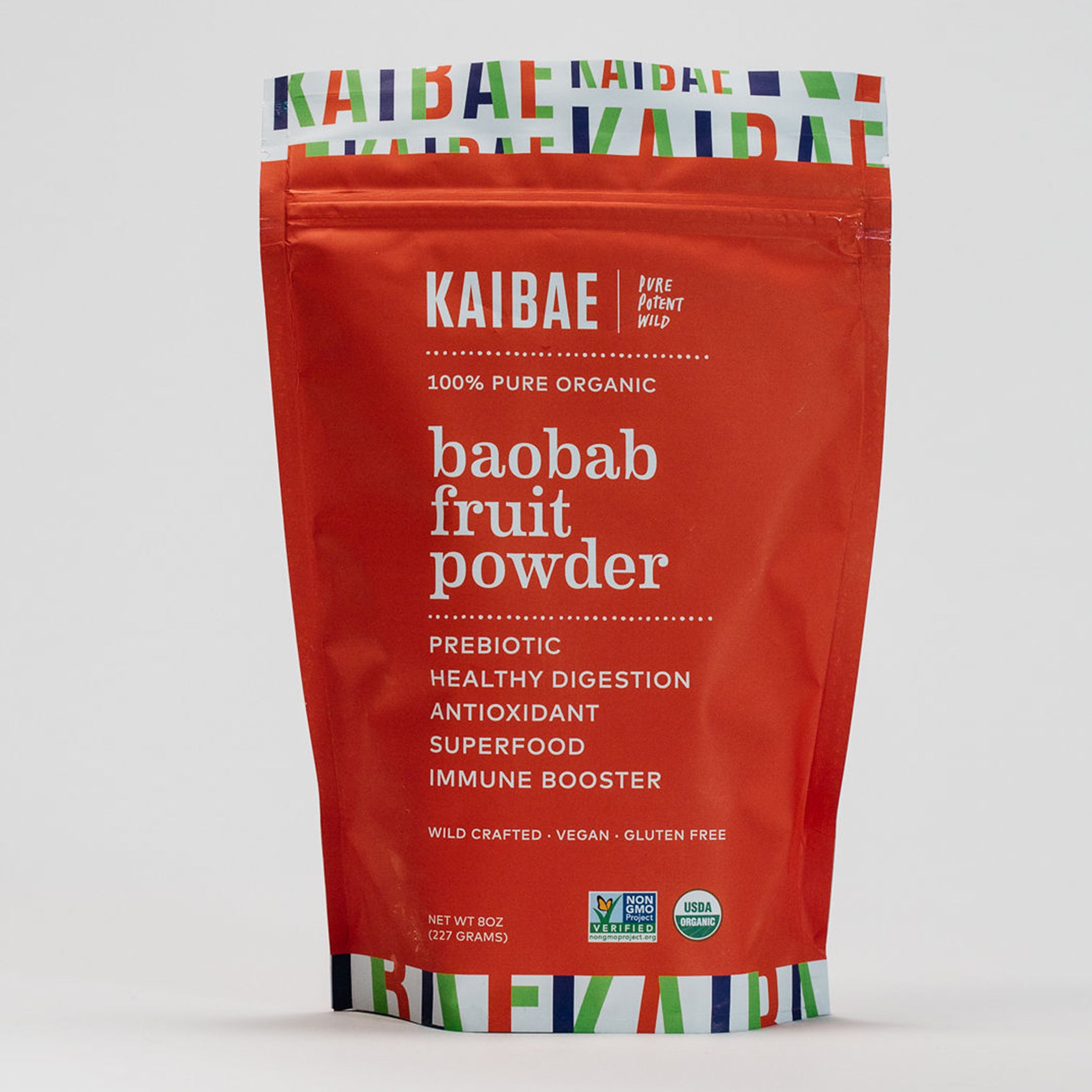
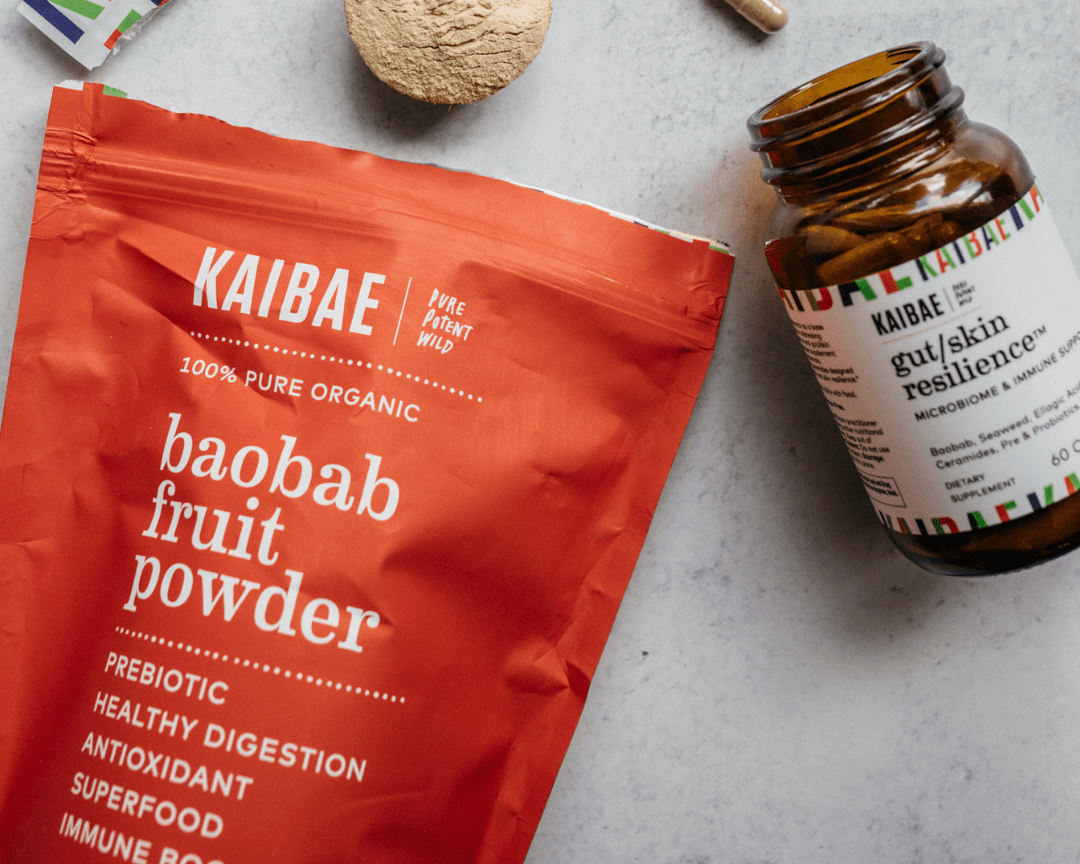
Baobab fruit powder is a naturally occurring, whole-food source of fiber traditionally consumed for generations. Its unique fiber profile makes it particularly supportive for people navigating appetite and digestive changes.
A Whole-Food Source of Prebiotic Fiber
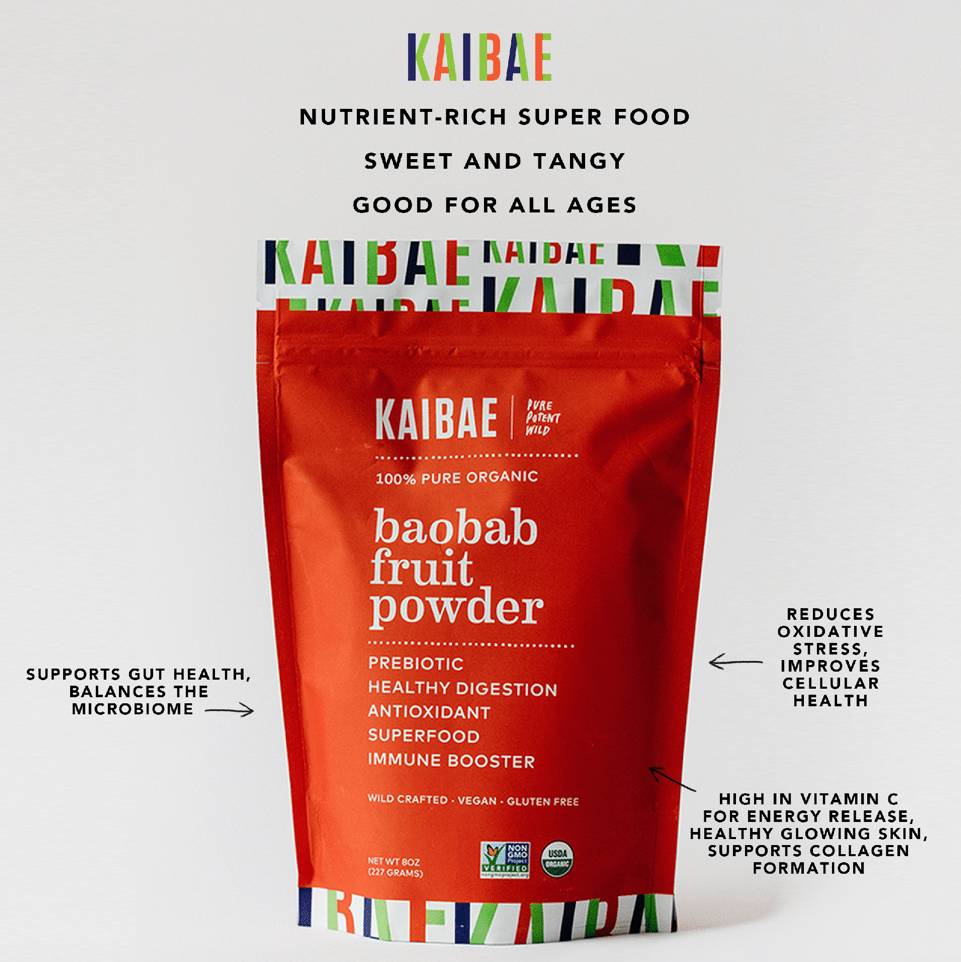
Baobab contains soluble prebiotic fiber that helps nourish beneficial gut bacteria associated with digestive balance and microbial diversity.
Because it comes from a whole fruit, Baobab provides fiber alongside naturally occurring plant compounds that support gentle fermentation.
Gentle Fermentation for Digestive Comfort
Baobab’s fiber ferments slowly, making it easier to tolerate than some isolated or synthetic fibers. Many people find it supports digestion without causing sudden bloating or discomfort.

Shop Baobab
How Baobab Supports the Gut Microbiome While on GLP-1s
1. Feeds Beneficial Gut Bacteria
Baobab’s soluble fiber acts as a prebiotic, helping nourish beneficial microbes that support short-chain fatty acid production and gut balance.
This is especially helpful when total food intake is reduced.
2. Supports Digestive Regularity
GLP-1 medications slow digestion, which can sometimes affect regularity. Baobab’s fiber absorbs water and supports normal stool consistency — without harsh or stimulating effects.
3. Easy Fiber When Appetite Is Reduced
Because appetite is often lower on GLP-1s, large meals may feel uncomfortable. Baobab delivers meaningful fiber in a small serving and mixes easily into smoothies, yogurt, or water.
How to Use Baobab Fiber on GLP-1 Medications
Many people start with a small serving and gradually increase as tolerated. Consistency matters more than quantity.
Baobab can be added to:
-
Smoothies
-
Protein shakes
-
Yogurt or oatmeal
-
Water or juice
Using Baobab Powder in Your Recipes
Final Thoughts on GLP-1s, Fiber, and Gut Health
GLP-1 medications change how much and how often people eat — but gut health remains foundational.
Supporting the microbiome with gentle, whole-food fiber like Baobab can help nourish beneficial bacteria and support digestive balance as eating patterns evolve.
Support Gut Health While on GLP-1s
When appetite is reduced, getting enough fiber can be challenging. KAIBAE Baobab Super Fiber offers a simple, whole-food way to help nourish the gut microbiome — without adding bulk or discomfort.
Discover how KAIBAE Baobab Super Fiber fits easily into smaller meals and supports daily fiber intake.
✔ Gentle, soluble prebiotic fiber
✔ Easy to mix into smoothies, yogurt, or water
✔ Designed to fit smaller meals
👉 Shop Baobab Super Fiber