Protein Is So Last Year: Why Whole-Food Fiber Is the Next Big Thing

For years, protein dominated wellness conversations—from high-protein snacks to protein coffee and protein water. But nutrition science and consumer behavior are shifting fast.
A recent CNN article reports that “fiber is on pace to be the next ‘it’ nutrient of the year,” fueled by TikTok’s fibermaxxing trend and Gen Z’s growing focus on gut health. One standout whole-food fiber gaining attention is Baobab Super Fiber which supports metabolic balance, appetite regulation, and overall wellness.
Not all fiber is created equal. For real health benefits, whole-food fiber like Baobab matters most, nourishing the gut microbiome and supporting natural satiety.
Why Fiber Is Replacing Protein as the Wellness Powerhouse
Protein helps build muscle, but fiber helps regulate the entire system.
Research shows that dietary fiber supports:
-
Gut microbiome diversity and balance
-
Blood sugar stability
-
Natural appetite regulation
-
Satiety hormones like GLP-1
-
Inflammation control and metabolic health
Fiber doesn’t just fill you up—it communicates with your gut bacteria, which then signal the brain and metabolism. This gut–brain connection explains why fiber influences hunger, cravings, mood, and energy levels.
Despite these benefits, more than 90% of women and 97% of men still don’t meet daily fiber recommendations—making fiber one of the most common nutritional deficiencies today.

The Rise of Fibermaxxing—and the Problem With “Added Fiber”
As fiber demand grows, food companies are responding with products labeled “high fiber” or “fiber-enhanced.” On the surface, that seems like progress—but not all added fiber delivers real benefits. Many of these products rely on isolated or synthetic fibers added to ultra-processed foods.
The problem? Isolated fiber often:
-
Ferments poorly in the gut
-
Can cause bloating or discomfort
-
Lacks the polyphenols and nutrients naturally found in plants
-
Doesn’t meaningfully support a healthy microbiome
Fiber works best when it comes from whole-food sources, where it exists naturally with plant cofactors that support digestion, satiety, and overall gut health.
Whole-Food Fiber: Why the Source Matters
Whole-food fiber exists within a natural plant matrix that includes polyphenols, minerals, and phytonutrients. This structure allows fiber to ferment slowly and gently, feeding beneficial gut bacteria without overwhelming digestion.
Fiber works best when it comes from whole-food sources like Baobab Super Fiber, where it exists naturally with polyphenols and plant cofactors that support digestion, satiety, and overall gut health.
Medical experts and dietary guidelines consistently emphasize real food sources of fiber—fruits, vegetables, legumes, and whole plants—over highly processed alternatives.
This is where Baobab Super Fiber stands apart, delivering nearly 50% fiber by weight along with prebiotic and polyphenol benefits.
Baobab Super Fiber: A Whole-Food Approach to Gut Health
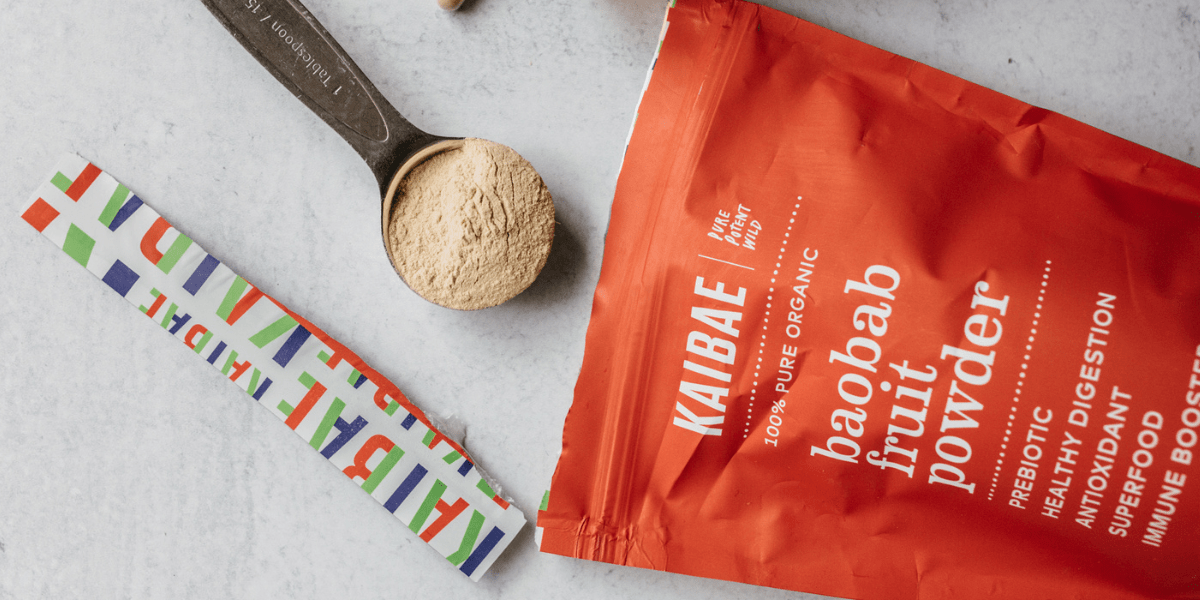
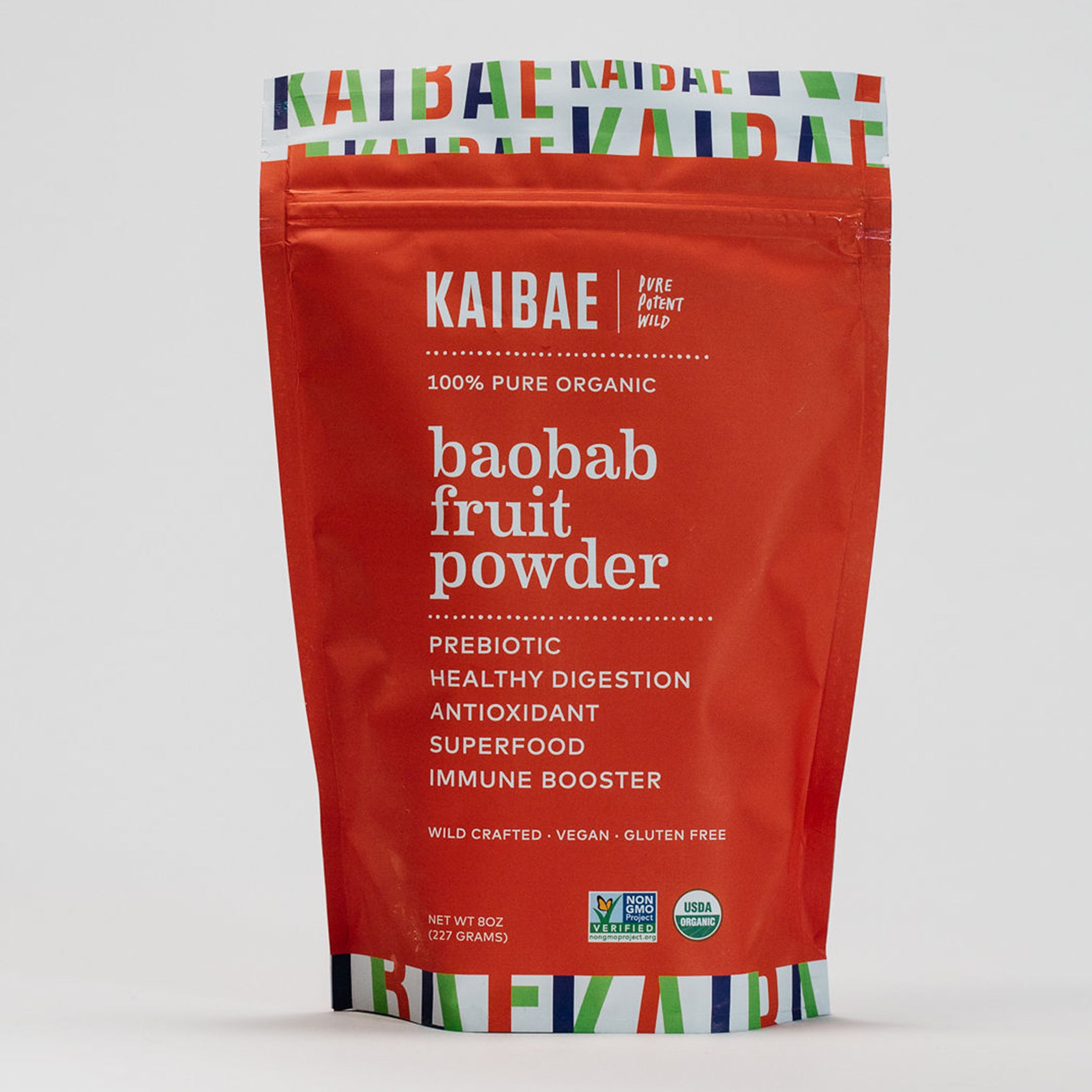
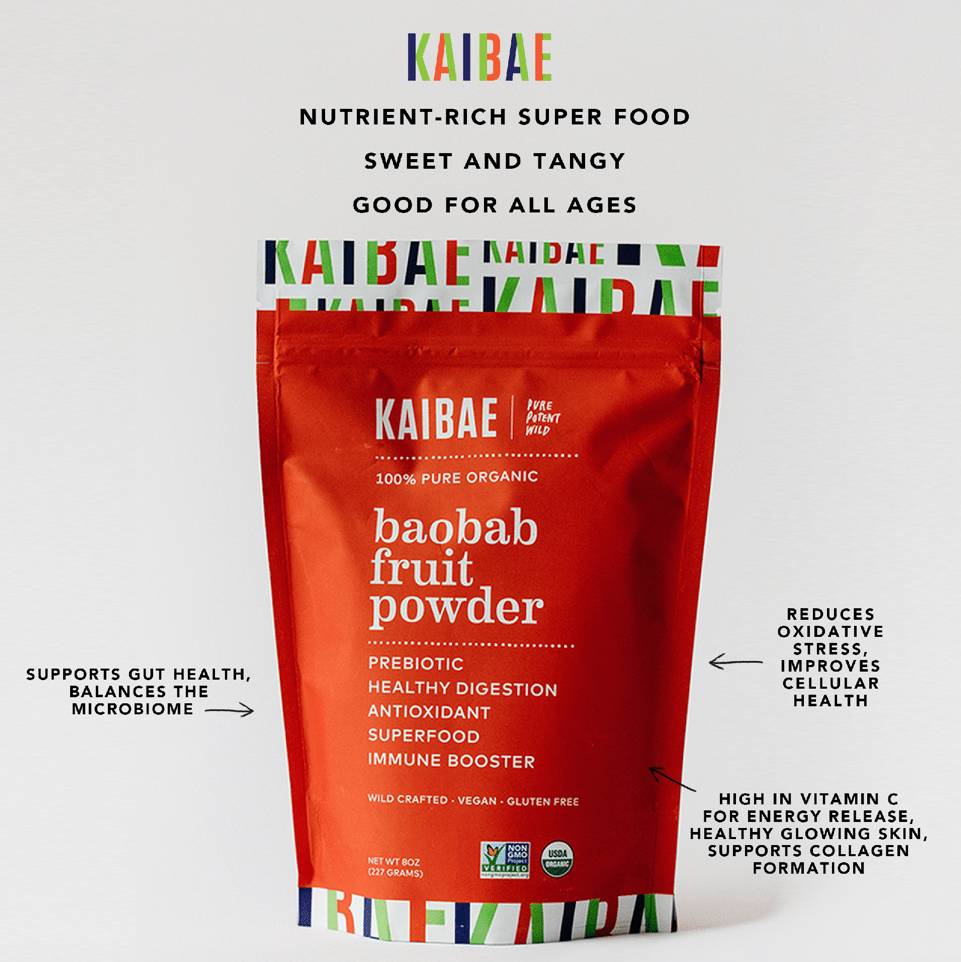
Baobab Super Fiber comes from the fruit of the African baobab tree and is naturally nearly 50% fiber by weight—making it one of the most fiber-dense whole foods available.
Unlike isolated fibers, baobab provides:
-
Whole-food, organic fiber
-
Naturally prebiotic support for the gut microbiome
-
Polyphenols that support metabolic and gut health
-
A gentle fermentation profile for better tolerance
Because it feeds beneficial gut bacteria, Baobab supports the body’s natural GLP-1 signaling, helping regulate appetite and satiety without extreme restriction.
Fiber, GLP-1, and the Future of Metabolic Health
GLP-1 medications have brought appetite hormones into the spotlight, but fiber has always played a role in stimulating these signals naturally.
When gut bacteria ferment soluble fiber:
-
Short-chain fatty acids are produced
-
Satiety hormones like GLP-1 are released
-
Hunger cues stabilize over time
This makes fiber—especially whole-food fiber—essential for anyone focused on long-term metabolic health, including those eating smaller portions or supporting gut health while on GLP-1 therapies.

Protein Had Its Moment. Fiber Is the Future.
Protein isn’t going away—but it’s no longer enough on its own.
The next generation of nutrition is about feeding the microbiome, not just hitting macros. Fiber isn’t a trend—it’s a correction, bringing the focus back to how the body actually regulates hunger, digestion, and balance.
Whole-food fiber is the difference between adding fiber—and benefiting from it.
Ready to Support Your Gut the Whole-Food Way?
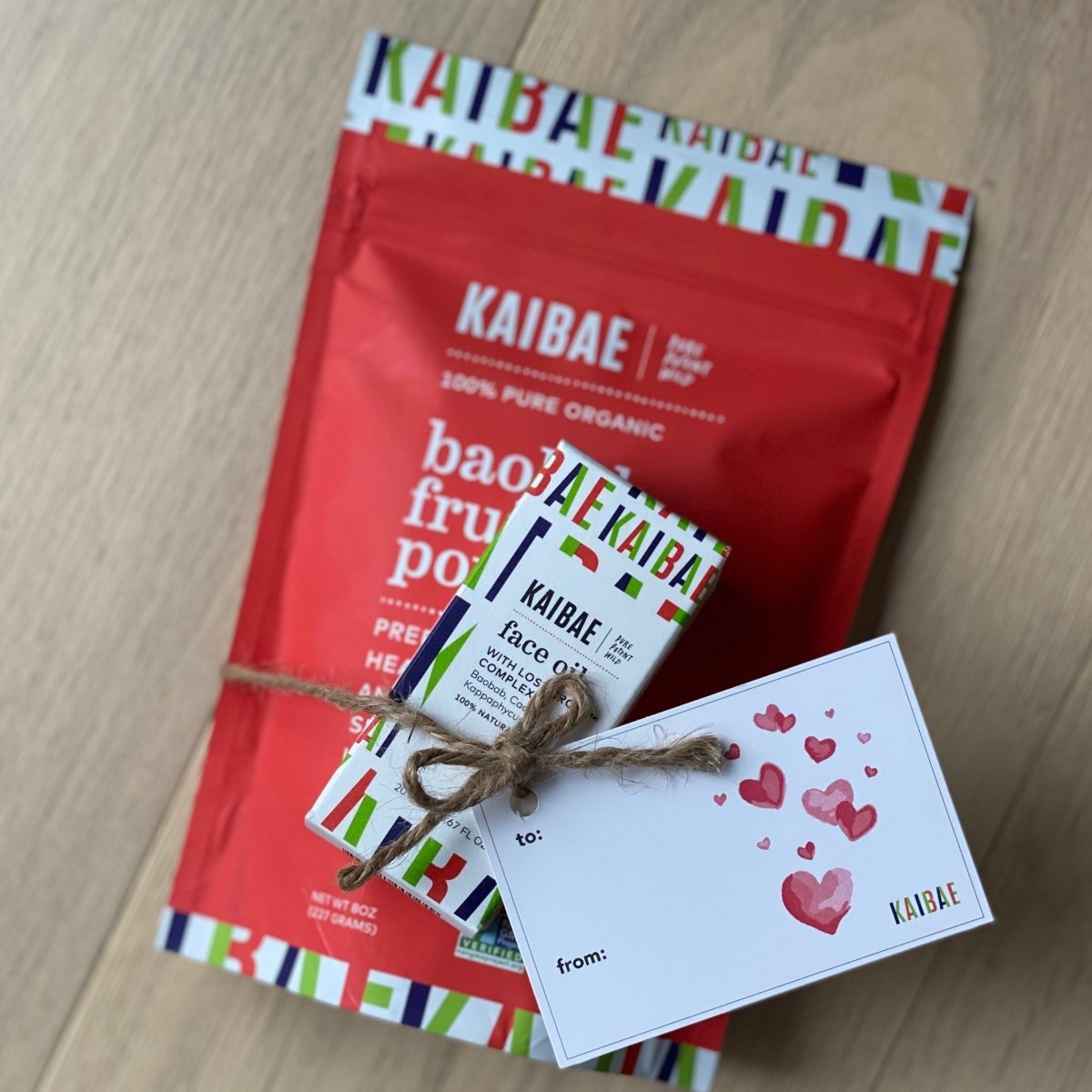
Baobab Super Fiber delivers organic, whole-food fiber that feeds your microbiome and supports natural satiety—without additives or synthetic fillers.
👉 Shop Baobab Super Fiber and nourish your gut from the inside out.